Competitive Intelligence for Sales Teams

Knowing which prospects are engaging with a competitor is one of the clearest buying signals available. Here’s how to build competitive intelligence into outbound.
A prospect has been researching software in your category, reading competitor reviews, and engaging with posts about a problem your product solves. Your sales team has no visibility into these activities, so it continues working through a static contact list. By the time the prospect requests a demonstration, a competitor may already be deep into negotiations.
Competitive intelligence helps sales teams identify these situations earlier. It involves collecting and analyzing information about competitors, their positioning, their customers' needs, and the market conditions that influence purchasing decisions.
For outbound teams, its most useful application is connecting competitive activity to potential buying opportunities. Public discussions, product comparisons, customer reviews, and changes in a company's technology requirements can help reveal where a prospect might be evaluating alternatives.
The challenge is knowing which signals deserve attention and how to act on them without making unsupported assumptions about a buyer's intentions.
What competitive intelligence means for a sales team
Competitive intelligence is the systematic collection and analysis of information that helps a business understand its competitors and make better commercial decisions.
For sales teams, this includes understanding how competing products are positioned, which customer problems they address, how their pricing and capabilities compare, and what prospects say about their experiences with them.
It also involves understanding the buying environment. A competitor launching a new feature may change the questions prospects ask during demonstrations. A change in pricing could prompt customers to reconsider their options. Repeated complaints about a particular capability may reveal an opportunity to differentiate your product.
Three types of intelligence are particularly useful.
- Product and market intelligence covers competitor features, packaging, positioning, public announcements, and pricing changes. Representatives use it to prepare for sales conversations and explain genuine differences between solutions.
- Customer and prospect intelligence focuses on public reviews, professional discussions, product comparisons, and other indicators of buyer preferences. It helps teams understand the concerns driving evaluations.
- Commercial intelligence connects those observations to sales activity. It examines which competitors appear in active opportunities, which objections repeatedly delay deals, and which alternatives prospects consider before purchasing.
These categories overlap, but they support different decisions. Product intelligence helps a representative answer a comparison question. Prospect intelligence can identify someone worth contacting. Commercial intelligence helps sales leadership decide where to invest resources and how to position the offering.
Forbes' February 2026 article, AI-Driven Intent Data Gains Traction As Sales Teams Look Beyond Lead Lists, examines how sales intelligence is moving beyond static databases toward signals that help identify companies potentially in a buying cycle. This distinction matters because knowing who fits your target market is different from knowing which accounts may have a reason to evaluate solutions now.
Tracking prospects engaging with competitors
A competitor's public audience can provide useful clues about potential buyers. Someone who repeatedly engages with a competitor's product announcements, joins a discussion about its capabilities, or publicly questions its pricing may be researching a problem your company can address.
However, engagement is not proof of purchase intent. A person might be a customer, an industry commentator, a competitor's employee, or simply interested in the topic. The task is to establish whether the activity is relevant to your offering and whether there is a legitimate reason to begin a conversation.
Monitor public engagement
Professional networks are one source of competitive signals. Comments, shares, and substantive discussions around competitor announcements may reveal which topics attract your target audience's attention.
The content matters more than the interaction alone. Someone asking whether a product supports a specific integration provides more useful context than someone leaving a generic reaction on a company post.
Review the surrounding discussion and establish what the person appears to be interested in before deciding whether outreach is appropriate.
Look for dissatisfaction and comparison activity
Public customer reviews can reveal recurring complaints about usability, service, pricing, implementation, or missing features. Those complaints may point to needs that your product addresses differently.
Comparison content and public discussions about competing products can offer similar clues. Someone evaluating several vendors may be closer to a buying decision than someone reading general educational material, though the available evidence rarely pinpoints their exact purchasing stage.
Combine competitive signals with account fit
The most useful observations come from combining activity with information about the company and its likely needs.
Suppose a prospect works at a company that fits your ICP and comments on a competitor's post about difficulties integrating several sales systems. If your product addresses that problem, the interaction may justify further research.
It still does not establish that the company plans to switch vendors. Before reaching out, check whether the product is relevant, whether the issue is something your company can credibly address, and whether the available information is recent.
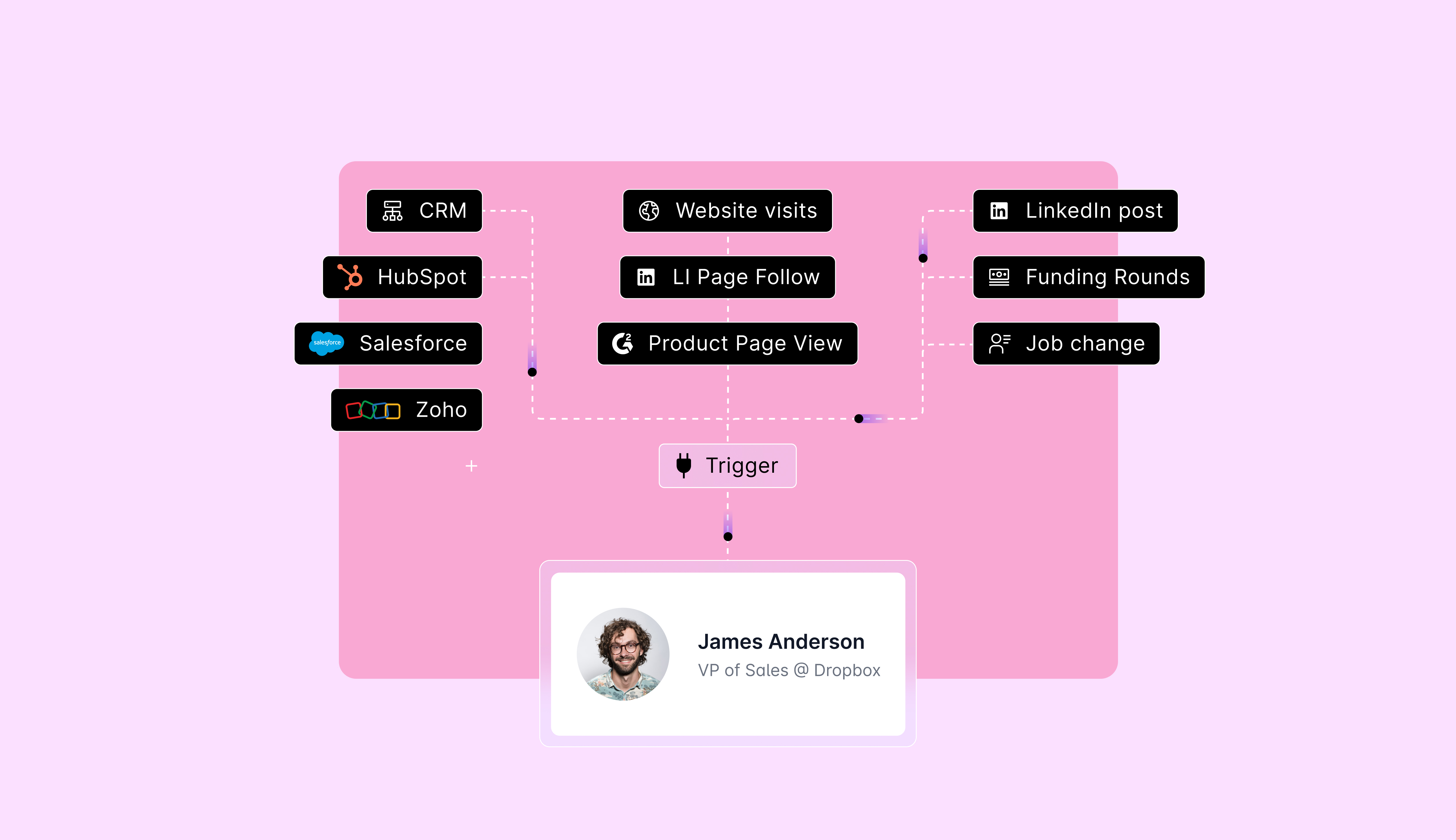
Alta's Signals feature covers company and contact-level indicators, including competitor engagement, public reviews, technology changes, and leadership developments. These signals can help teams identify reasons to investigate an account rather than relying solely on static prospect lists.
Turning competitive signals into timely outreach
Competitive intelligence becomes useful when it changes a sales team's next action. Collecting large volumes of information without a clear response process creates another database to maintain rather than a more effective outbound operation.
Start by defining which events warrant attention. A competitor's routine social media update may not justify outreach. A target account publishing a detailed complaint about a product capability you handle well may deserve investigation.
Next, validate the signal and decide who should receive the message. Confirm that the account matches your target market, identify the appropriate contact, and distinguish verified information from assumptions.
The outreach should connect the observed activity to a relevant business problem without suggesting that the prospect's intentions are known.
For example, if a prospect publicly discusses difficulties integrating sales applications, a representative could start a conversation about the challenges of maintaining consistent data across systems. The message can offer a useful perspective without implying the person is dissatisfied with a particular vendor or planning to replace it.
A practical workflow includes:
- Detect: Identify relevant competitor engagement, customer feedback, product announcements, or account changes.
- Validate: Check the source, date, relevance, and reliability of the information.
- Qualify: Establish whether the company and contact fit your target market.
- Personalize: Connect the observed problem or discussion to a specific capability or insight.
- Measure: Record replies, qualified meetings, opportunity creation, and eventual revenue.
Timing depends on the signal. A comment on a current product announcement may lose relevance within days, while a public discussion about a long-standing integration problem may remain useful for longer.
Alta's guide to AI sales tools for business development discusses how prospecting systems can combine intent signals, company research, and contextual personalization. These capabilities help teams respond to relevant events, as long as outreach remains grounded in evidence and appropriate to the prospect.
The objective is not to contact everyone who interacts with a competitor. It is to identify the people for whom a particular signal provides a credible reason to start a conversation.
Positioning against a competitor without overplaying it
Competitive intelligence can improve a sales conversation, but it can also undermine credibility when representatives use it to make unsupported claims about another vendor.
Buyers need to understand why your offering might be a better fit for their requirements. They do not need exaggerated criticism of a competitor.
Start by establishing the prospect's evaluation criteria. They may care about implementation time, security, integrations, service quality, total cost, or a particular technical capability. Compare solutions against those requirements rather than presenting a generic list of advantages.
A useful competitive comparison should distinguish between verifiable facts and opinion. Published pricing, documented features, and stated service terms can be checked. Claims about a competitor's reliability or customer satisfaction need evidence and suitable context.
Sales representatives should also recognize where a competitor is genuinely stronger. If another product offers a capability your company lacks, acknowledge the difference and explain where your solution fits; that can build more trust than trying to dismiss the comparison.
Customer feedback is particularly useful when treated carefully. A public complaint may reveal a concern that matters to other prospects, but a single review does not prove a widespread product problem. Look for recurring themes across credible sources before treating an issue as a positioning advantage.
Alta's AI Outbound Agent supports prospect research and personalized outreach using account context, buying signals, and campaign information. For competitive selling, these capabilities can help representatives prepare relevant messages, but the claims still need to be accurate and consistent with the company's approved positioning.
The strongest competitive message focuses on the buyer's requirements and demonstrates how your product addresses them. It does not depend on disparaging another company.
Keeping competitive intelligence current
Competitive intelligence loses value when information becomes outdated or its source cannot be verified. Pricing changes, product releases, staffing changes, and customer feedback can quickly alter the context of a sales conversation.
Establish ownership for maintaining competitor information. Product marketing may monitor features and positioning, sales operations may track competitor mentions in CRM records, and representatives may contribute new information from discovery calls.
Record the source, date, and confidence level of important observations. A publicly announced feature is different from an unverified comment about a future release. Keeping those distinctions visible helps representatives avoid repeating rumors as facts.
Review intelligence based on how quickly it can change. Pricing and product announcements may require frequent checks, while broad positioning and established market segments may remain relevant longer.
AI can summarize public material, identify recurring themes in sales-call transcripts, and flag changes worth investigating. But systems should preserve links to the original evidence and avoid treating inferred conclusions as confirmed facts.
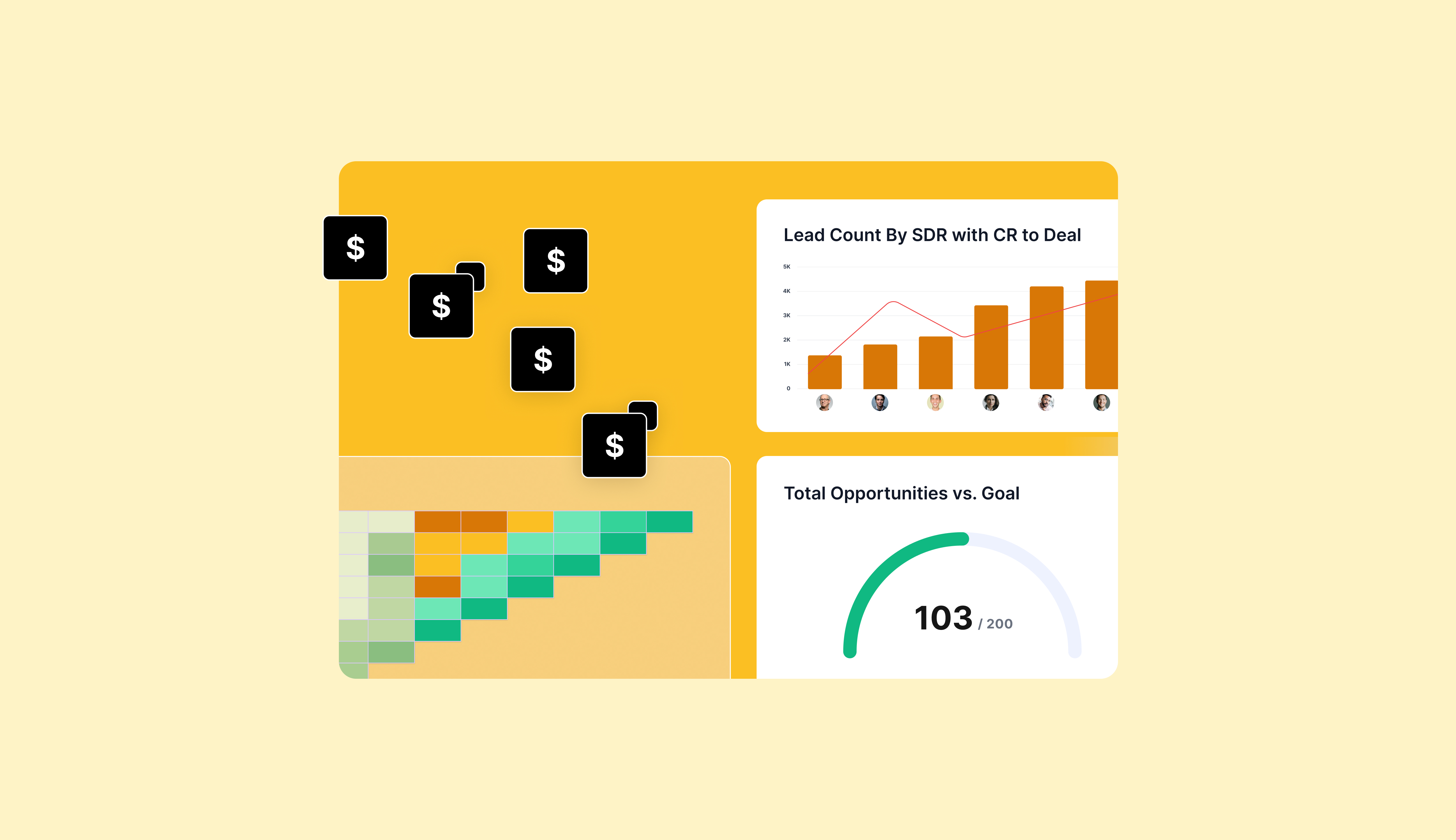
Measure whether the intelligence improves commercial outcomes. Useful metrics include the proportion of competitive signals that lead to meaningful conversations, qualified meetings from signal-based campaigns, win rates in competitive opportunities, and the frequency of recurring objections.
High volumes of monitored activity do not prove that a program is effective. The real test is whether the information helps representatives identify relevant accounts, explain differentiation more clearly, and make better decisions about where to spend their time.
Use competitive intelligence to start better conversations
Competitive intelligence is most valuable when it connects market information to a relevant sales action. Public engagement, customer reviews, product changes, and recurring objections can help teams spot opportunities, but every signal needs context.
A disciplined process combines evidence gathering, account qualification, accurate positioning, and timely outreach. AI can scale that work, letting representatives focus on the conversations where their judgment matters most.
The aim is not to know everything a competitor does. It is to understand what matters to prospective customers and use that knowledge to offer a more relevant reason to talk.
Frequently Asked Questions
It can be appropriate to analyze publicly available professional activity and company information for legitimate commercial purposes. However, public availability does not automatically permit every form of collection, storage, or use. Businesses should follow applicable privacy and marketing rules, respect platform terms, use reputable data providers, and avoid accessing private accounts or confidential competitor information. Requirements vary by jurisdiction and method of collection.
Competitive intelligence is the broader practice of understanding competitors, market positioning, customer feedback, and buying conditions. Intent data refers to signals suggesting that a company or person may be researching or evaluating a purchase. Competitive engagement can signal intent, but not every piece of competitive intelligence indicates a buyer is in the market.
Sometimes. Naming a competitor can make sense when the prospect has publicly discussed a comparison or when the message addresses a specific, verifiable difference. In other situations, focusing on the buyer's problem and the relevant product capability is more natural. Avoid implying knowledge of private purchasing decisions or making claims about competing products that cannot be substantiated.