Harnessing AI Agents for Sales Success: A 2026 Guide from Alta

Learn how AI sales agents automate lead qualification, outreach, and CRM workflows — plus a 5-step implementation guide to scale revenue in 2026.
How can sales teams maintain efficiency and personalization in an increasingly busy data-driven landscape? The answer lies in AI-powered automation. AI sales agents streamline complex revenue operations, providing real-time insights and data-driven precision to scale growth and enhance customer engagement.
In This Article
- What Are AI Sales Agents?
- What Are the Benefits of Using AI in Sales?
- Common Use Cases for AI Sales Solutions
- How to Implement AI Sales Agents
- 5 Key Questions Before Implementation
- Key Takeaways
- Frequently Asked Questions
What Are AI Sales Agents?
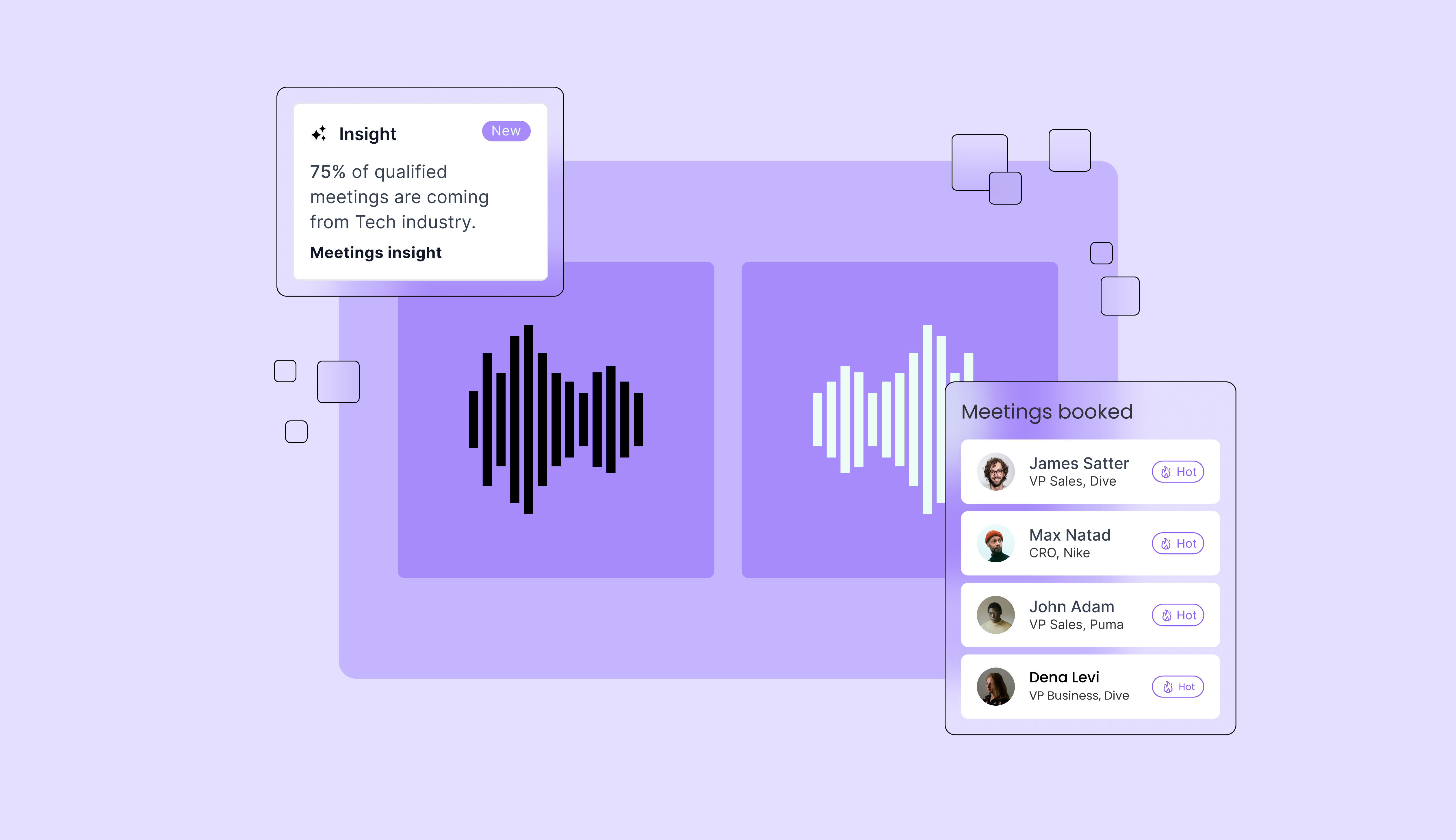
An AI sales agent is an autonomous, intelligent software tool designed to manage and optimize complex revenue operations. Utilizing data-driven precision, these intelligent sales agents handle a variety of tasks ranging from initial lead qualification to orchestrating personalized multichannel outreach. Their primary function is to automate routine workflows, allowing human representatives to focus on high-value interactions and strategic relationship building.
Understanding the distinction between modern AI sales solutions and traditional chatbots is critical for forward-thinking organizations. Traditional chatbots rely on rigid decision trees and pre-programmed scripts, making them suitable only for basic, predictable inquiries. In contrast, AI sales agents employ natural language processing and advanced analytics to understand context, adapt to dynamic conversations, and seamlessly connect to your CRM for historical data context.
These agents operate in two distinct capacities within modern sales environments:
- Autonomous Functionality: Operating independently to manage top-of-funnel engagement, nurture cold leads, schedule meetings, and route highly qualified prospects directly to the appropriate human representative.
- Assistive Functionality: Working alongside human agents by providing real-time insights during live calls, suggesting personalized responses, transcribing conversations, and automatically updating CRM records post-interaction.
What Are the Benefits of Using AI in Sales?
Using AI in sales delivers measurable revenue growth by optimizing outreach processes, increasing prospect engagement rates, and significantly reducing operational overhead. Businesses utilizing AI sales solutions can scale growth effectively without the need to proportionally increase their headcount. Through intelligent automation, companies consistently report up to 3x more leads and an 80% cost reduction in their customer acquisition processes.
The primary advantage of sales productivity automation lies in its ability to execute hyper-personalized communication at an enterprise scale. Human teams are naturally limited by time; they can only research and customize so many emails or messages per day. AI sales agents, however, analyze thousands of data points across multiple channels simultaneously to craft bespoke messaging tailored to each prospect's unique pain points and industry context.
Real-World Success Story: Scaling SaaS Revenue
A mid-sized B2B software provider recently integrated Alta's intelligent sales agents into their tech stack to address stagnating lead conversion rates. By utilizing our AI-powered automation to handle initial prospect qualification and automated follow-ups, the company saw a 300% increase in qualified pipeline within four months. Furthermore, by automating manual data entry, the sales team reclaimed 15 hours per week per rep, leading to an 80% cost reduction in administrative overhead. The AI seamlessly connected to their CRM, ensuring that every insight was actionable and secure.
Common Use Cases for AI Sales Solutions
AI sales tools are applied across various stages of the revenue cycle to optimize operational workflows. Below are the most common scenarios where businesses deploy these technologies to transform revenue generation.
- Automating Multichannel Outreach: Businesses use AI agents to orchestrate coordinated email, LinkedIn, and SMS campaigns. The AI analyzes prospect engagement data to determine the optimal time and channel for communication, resulting in higher open and response rates.
- Real-Time Lead Qualification: Instead of making prospects wait for a representative to review a contact form, AI agents engage website visitors instantly. They ask targeted qualifying questions based on the ideal customer profile, scoring leads in real-time, and booking high-value prospects directly onto an account executive's calendar.
- Sales Coaching and Real-Time Insights: Sales managers deploy assistive AI to monitor live sales calls. The tool provides representatives with real-time insights, such as objection handling suggestions or competitor data, ensuring reps have the information they need precisely when they need it.
- Pipeline and Forecasting Optimization: Revenue operations teams use intelligent sales agents to analyze historical CRM data and current pipeline velocity. This provides highly accurate, data-backed revenue forecasts and highlights deals that require immediate human intervention to prevent churn.
How to Implement AI Sales Agents
Implementing AI sales agents requires a strategic approach that aligns technology with your existing revenue operations. To successfully harness intelligent automation, businesses must seamlessly connect the AI to their tech stack, define clear operational parameters, and prepare their teams for a new, data-driven workflow.
Step 1: Audit Your Revenue Operations and Tech Stack
Before introducing AI, assess your current sales processes. Identify repetitive tasks that consume your team's time, such as manual data entry or initial prospect outreach. Ensure your existing CRM and communication platforms support modern API connections so the AI can integrate smoothly.
Step 2: Connect the AI Seamlessly to Your CRM
For an AI sales agent to provide data-driven precision, it requires access to accurate historical and real-time data. Connect the intelligent sales agent directly to your CRM. This ensures the AI can update contact records automatically, pull context for personalized messaging, and maintain enterprise-grade security across all prospect interactions.
Step 3: Define Parameters and Personalization Rules
Configure the AI by defining its scope of autonomy. Establish clear guidelines regarding which buyer personas the AI should target, the tone of voice for outreach, and the specific triggers that necessitate handing a conversation over to a human representative. Structuring these guardrails ensures the AI scales growth while maintaining brand integrity.
Step 4: Train Your Team and Optimize Workflows
Implementation is as much about people as it is about technology. Train your human representatives to collaborate with the assistive AI. Teach them how to interpret the real-time insights provided by the software and how to leverage the newly freed time to focus on complex negotiations and closing strategies.
Step 5: Monitor Real-Time Metrics and Refine
Once deployed, continuously monitor the performance metrics. Look for improvements in lead volume, response rates, and meeting booked rates. Use the AI's reporting features to identify bottlenecks in the messaging sequence and refine the outreach strategy for continuous improvement.
5 Key Questions to Consider Before Implementing an AI Sales Agent
Evaluate your organizational readiness for AI-powered automation by reviewing this practical checklist:
- Is our CRM data clean and structured? AI relies on accurate data; disorganized databases can lead to poorly targeted outreach.
- Have we defined our Ideal Customer Profile (ICP)? The AI needs a precise target to effectively generate 3x more leads.
- What specific metrics will define success? Establish baselines for cost per lead, meeting booked rates, and overall sales cycle length.
- Are our sales playbooks documented? Clear, standardized processes make it easier to program the AI's outreach logic.
- How will human reps transition their daily workflow? Plan how the team will reinvest the hours saved by sales productivity automation into revenue-generating activities.
Key Takeaways
- Intelligent Automation is Essential: AI sales agents are critical for businesses looking to scale growth and manage high-volume data without increasing headcount.
- Beyond Basic Chatbots: Modern intelligent sales agents utilize contextual data and natural language processing to deliver hyper-personalized outreach and real-time lead qualification.
- Measurable Revenue Impact: Proper implementation of AI-powered automation can yield up to 3x more leads while achieving an 80% cost reduction in revenue operations.
- Human-AI Collaboration: AI tools do not replace human representatives; they automate manual tasks and provide real-time insights, allowing teams to focus on strategy and relationship building.
- Strategic Implementation: Success requires a clean CRM database, defined ideal customer profiles, and a clear roadmap for seamlessly connecting the AI to your tech stack.
Transform Revenue with Alta
As the business landscape becomes increasingly data-heavy, relying on manual processes is no longer sustainable. Harnessing the power of AI sales agents provides the data-driven precision required to streamline revenue operations and scale growth effectively.
Frequently Asked Questions
An AI sales agent is a software tool designed to scale repetitive tasks, analyze massive datasets, and orchestrate multichannel outreach with data-driven precision. It differs from a traditional salesperson in that it does not build empathetic human relationships or negotiate complex deals. Instead, it acts as an amplifier for the human team, automating the top of the funnel and providing real-time insights so human representatives can focus exclusively on closing and relationship management.
The costs of implementing AI sales agents vary depending on the scale of the deployment and the complexity of the CRM integration. Most modern intelligent sales solutions operate on a monthly or annual subscription model based on usage or seats. However, these upfront technology investments are typically rapidly offset. Organizations frequently report an 80% cost reduction in administrative and customer acquisition costs by streamlining their revenue operations.
Key features of AI sales tools include seamless CRM integration, automated multichannel outreach orchestration (email, SMS, social), real-time lead qualification, predictive revenue analytics, and natural language processing for dynamic conversation handling. Furthermore, assistive AI features offer live call transcription and real-time insights to guide human representatives during prospect meetings.
Yes, enterprise-grade AI sales solutions are specifically engineered to seamlessly connect to your CRM and existing communication platforms. This integration ensures data flows synchronously between the AI and your database, maintaining a single source of truth for all sales activities and ensuring enterprise-grade security.