How to Measure GTM Success Beyond Rankings: The Time-to-Meeting Diagnostic
Rankings and form fills don't close deals. Learn how to measure time-to-meeting and find where your top-of-funnel workflow leaks pipeline.
How volume metrics hide pipeline leaks
Rankings and form completions prove buyers can find you. They say nothing about whether your team captures the opportunity. Plenty of revenue teams watch traffic climb while pipeline stays flat, because the path from visitor to customer breaks right after the form fill.
Manual follow-up collapses as volume climbs. When an inquiry arrives, a rep has to read it, research the company, update CRM fields and write a note. That can take hours. Leads contacted within five minutes are 21 times more likely to qualify than those contacted after 30 minutes, according to the Lead Response Management study led by MIT researcher Dr. James Oldroyd. A Harvard Business Review audit of 2,241 companies found the average first response took 42 hours.
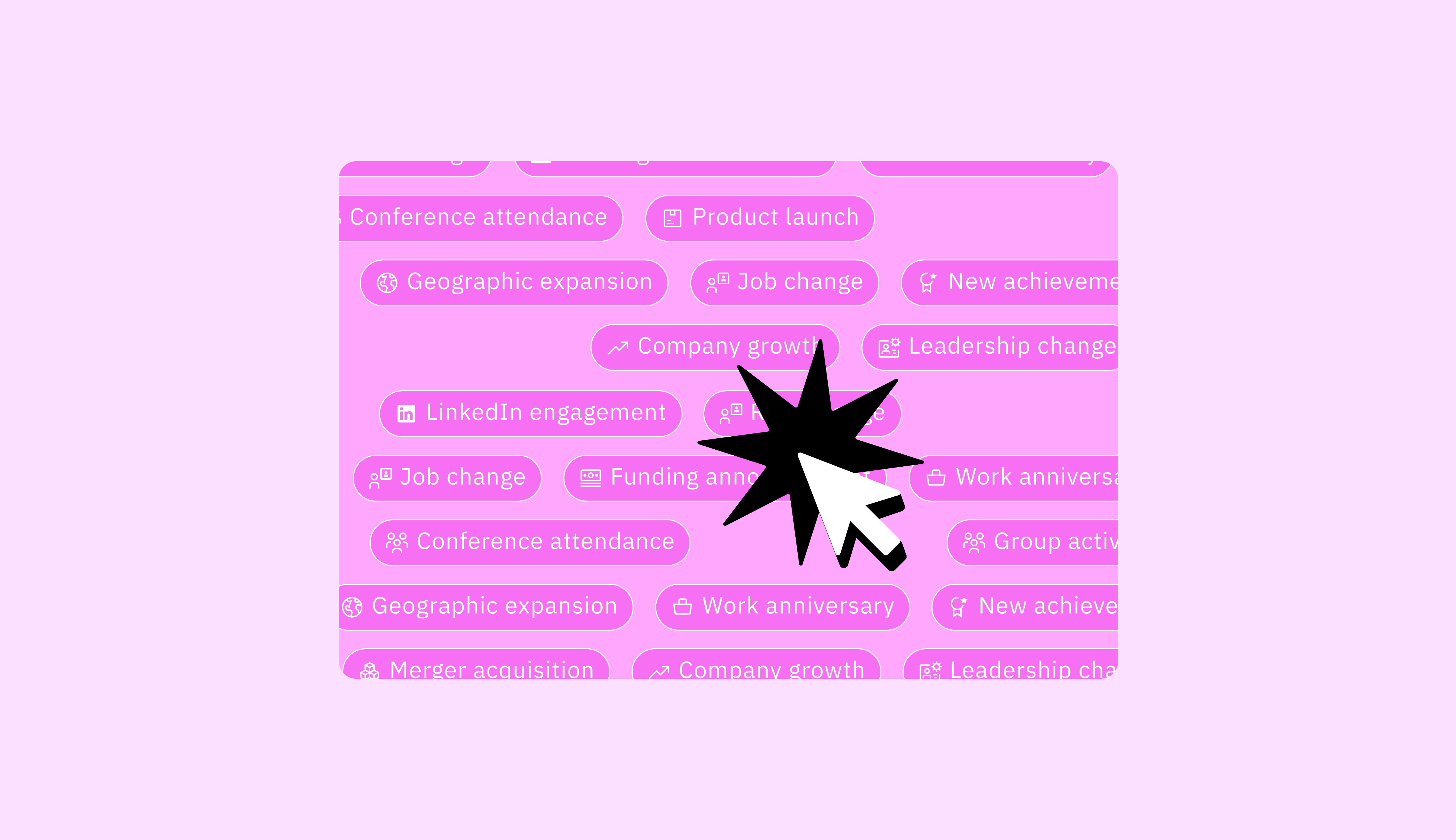
Outbound has the same friction. Reps spend mornings in spreadsheets, checking headcounts and adapting templates. By the time someone reaches an account that showed buying intent, the window has often closed.
The time-to-meeting diagnostic
Time-to-meeting is the number of minutes between a prospect showing intent and that prospect having a confirmed meeting on your calendar. It's the metric that shows whether your top of funnel actually converts attention into conversations.
Time-to-meeting = meeting confirmation timestamp minus initial signal timestamp
- Initial signal timestamp: the minute a prospect submits an inbound form, visits a high-intent page or matches your outbound trigger criteria.
- Meeting confirmation timestamp: the minute the prospect accepts a calendar invite or books a slot.
A few rules make the number useful:
- Track the median. A handful of leads that took weeks will skew an average.
- Split by source. Inbound forms, intent signals and outbound triggers behave differently, and blending them hides where the delay lives.
- Track time-to-first-touch alongside it. Time-to-meeting includes the buyer's own scheduling choices. First touch shows how much of the delay is yours.
Once you're measuring it, the priority shifts from sorting leads to acting on them. A lead score sitting in a queue doesn't move the number. Qualifying and responding in seconds keeps the prospect engaged while your product is still top of mind.
How an AI GTM system of actions closes the gap
Most sales tools stop at the alert. They notify a rep that someone visited the site or filled out a form, then add a task to a calendar that's already full. An alert on its own doesn't shorten time-to-meeting.
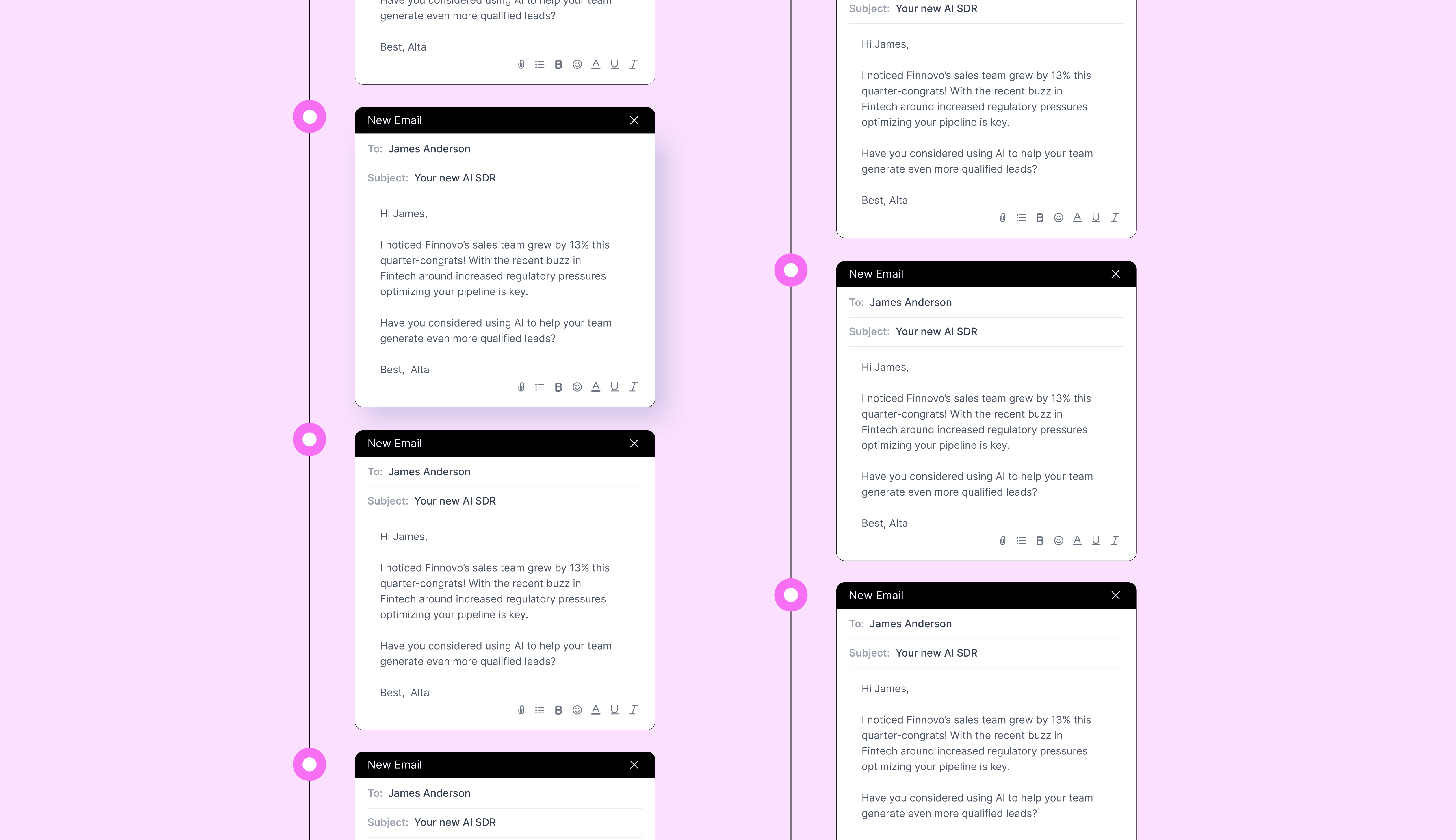
An AI GTM system of actions does the work behind the alert. On the inbound side, the AI inbound agent picks up the submission, qualifies it against your ICP and offers a meeting. Alta's inbound agent, Alex, responds to inbound leads in under 30 seconds. On the outbound side, an AI SDR for email and LinkedIn researches accounts that show intent and starts a personalized conversation with the right contact.
Replies matter as much as first touches. When a prospect raises a scheduling conflict or asks a product question, the agent responds in the thread so the conversation keeps moving toward a meeting. That's how a lean team raises its meeting count without adding headcount.
Passive analytics vs. autonomous execution
Dashboards report what already happened. Someone still has to read the chart, build the list and write the message, and every one of those handoffs adds time to the metric you're trying to shrink.
A passive tool tells you an account visited your pricing page. An execution stack identifies the decision maker, validates their contact details and starts the conversation, so the gap between spotting an opportunity and acting on it closes.
Auditing your top-of-funnel workflow
The fastest way to find your leak is to become your own lead. Run this three-step diagnostic:
- Submit a test inquiry on your own website. Time it from form submit to the first personalized response you receive, and note when you were first offered a meeting. If either number is measured in hours, qualification is where pipeline leaks.
- Trace the internal handoffs. Record how long a submission sits in your marketing tool before it reaches the CRM, and how long it waits there before a rep claims it. Mark every manual step along the way: data entry, research, assignment.
- Pilot an automated path for qualification and scheduling. Route a slice of leads through it and compare time-to-meeting against your current process:
- Input: an inbound form submission or a high-intent outbound signal.
- Action: the agent enriches company data, scores ICP fit and responds with tailored outreach.
- Output: a qualified buyer receives a way to book with the right rep within seconds.
Removing manual handoffs is how a small team handles lead volume that would otherwise need several more SDRs. Your pilot data will show how much of that applies to your funnel.
Turn signals into meetings automatically
Rankings, impressions and lead volume are leading indicators. The outcome they lead to is a qualified conversation, and time-to-meeting tells you how fast you get there.
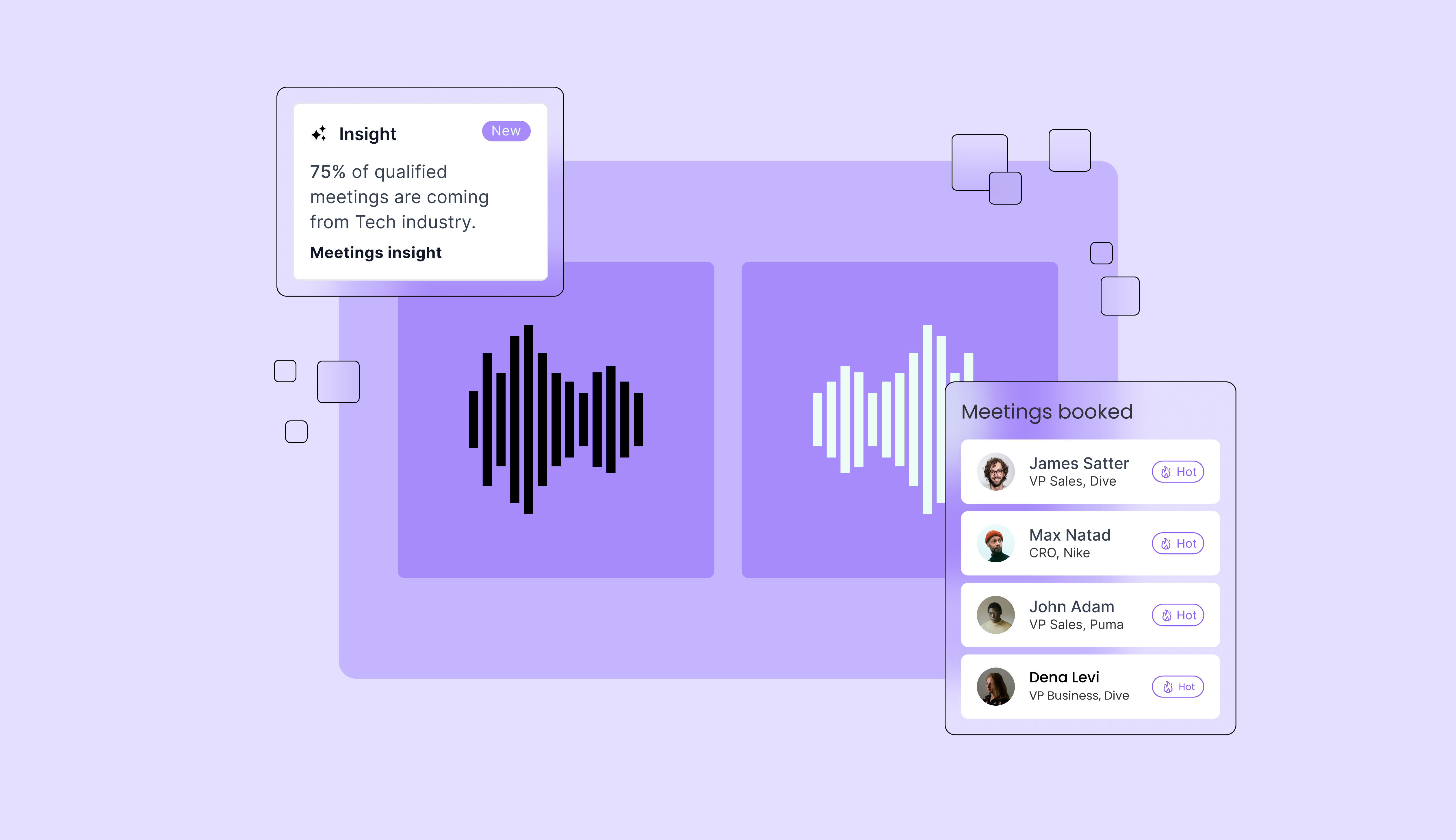
When agents handle the steps between interest and conversation, your reps spend their days talking to buyers. See how Alta uses AI agents to qualify leads, run outreach and book meetings directly on your team's calendar. Book a demo and measure your own time-to-meeting before and after.
Frequently Asked Questions
Time-to-meeting is the time between a prospect's first intent signal and a confirmed meeting on your sales calendar. The signal can be an inbound form, a visit to a high-intent page or an outbound trigger. It measures how well your top of funnel turns interest into conversations, which volume metrics can't show.
Speed to lead measures how fast you make first contact. Time-to-meeting runs all the way to a booked meeting, so it also captures qualification, follow-up and scheduling delays. Track both: speed to lead shows your response time, and time-to-meeting shows whether that response converts.
There's no reliable industry benchmark for the full metric, so start with your own baseline and track the median. For first contact, the research is clearer: leads contacted within five minutes are 21 times more likely to qualify than those contacted after 30 minutes. If your first touch takes longer than that, start there.
No. Rankings and traffic tell you whether buyers can find you, which still matters. The problem comes when they're treated as the outcome. Pair them with time-to-meeting and meetings booked so you can see whether demand turns into pipeline.
Use the moment an account matches your outbound trigger criteria as the start time, such as a pricing page visit or a hiring signal. That timestamp lives in your intent or signal tool, so make sure it syncs to the CRM. Report outbound separately from inbound, since the two run on very different timelines.
Yes, for qualified leads that match clear ICP criteria. The agent responds, answers common questions and offers time with the right rep. Edge cases and complex deals still benefit from a person reviewing before the meeting is set.