How RevOps Can Eliminate Lead Latency with Real-Time Enrichment
Slow routing costs pipeline. See how RevOps teams use real-time enrichment, qualification and routing to respond to inbound leads in seconds.
Why legacy form routing slows down your speed-to-meeting
Most inbound delay is a scheduling problem inside your tools. Many form-to-CRM workflows run on polling, where a tool checks for new submissions on a fixed interval instead of receiving them the moment they arrive. Zapier's own documentation lists polling intervals of 15 minutes on its free plan and 1 to 2 minutes on paid plans. Add a batch enrichment job and a routing rule that only fires once a record is complete, and the minutes stack up before a rep ever sees the lead.
Those minutes matter more than they look. The Lead Response Management study led by MIT researcher Dr. James Oldroyd found that leads contacted within five minutes were 21 times more likely to qualify than leads contacted after 30 minutes. A Harvard Business Review audit of 2,241 companies put the average first response at 42 hours.
Buyers don't wait in your queue. While routing logic catches up, the prospect is already on the next vendor's site, filling out the next form.
Stop paying per-seat fees for basic calendar routing
Routing a lead to a calendar is a narrow job. Read the submission, pick an owner, show open times. Many scheduling and routing tools still price that job per user, so the bill grows every time you add a rep while the work itself stays the same.
The bigger cost is the stack around it. A typical inbound flow strings together a form tool, an enrichment provider, a router, a scheduler and the CRM. Each one carries its own license, its own rules to maintain and its own way of failing. RevOps ends up owning the plumbing when it should be owning the pipeline.
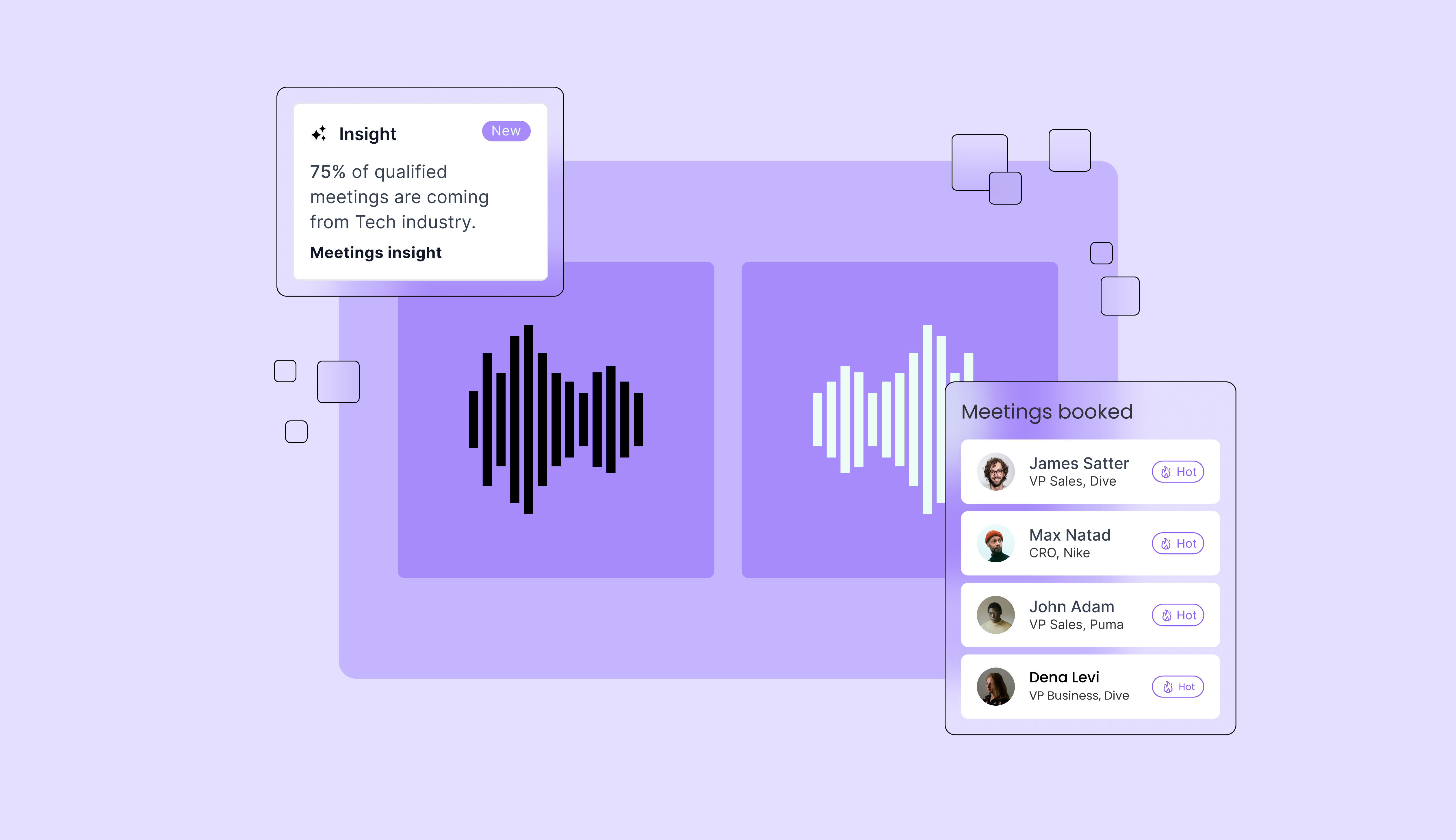
An AI GTM system of actions handles that whole sequence in one place. Alta's AI inbound agent reads the submission, enriches it, checks it against your ICP, picks the right rep and offers a meeting while the buyer is still on the page. That leaves one workflow to license and maintain.
How real-time enrichment powers automated inbound lead qualification
Enrichment belongs at the moment of submission. When it runs inside the event flow, the system knows company size, industry and region before it decides what to do with the lead. When it runs as an hourly or nightly job, routing either guesses or waits.
Enrichment APIs are built to answer in real time, so there's no technical reason to defer the call. Data on its own doesn't book a meeting, though. Automated inbound lead qualification needs an engine that reads the enriched record, applies your ICP rules and acts on the result in the same flow.
Here's what that flow looks like the moment a form is submitted:
- Receive and acknowledge. The system accepts the form payload, verifies the webhook signature and queues the event. Hookdeck's guide to webhooks at scale recommends exactly this pattern: enqueue first, process asynchronously, and send failed events to a dead-letter queue so no lead disappears during a traffic spike.
- Enrich. The agent calls your data providers to append company size, revenue, industry and region to the email address.
- Qualify and route. The agent scores the enriched profile against your ICP rules, selects the right account executive and either returns a booking link or starts the conversation immediately.
Plan for the misses. Some submissions won't enrich cleanly: personal email addresses, very new companies, typos. Give those a fallback path, like a short qualifying question or a human review queue, so missing data never turns into a dead end.
Fragmented routing engines versus an AI GTM system of actions
Every handoff between tools is a place for a lead to stall. Chain an enrichment tool, a routing engine, a scheduler and an AI SDR, and each API hop adds latency and a new failure mode. If enrichment times out, the router often falls back to a catch-all queue, and the prospect gets a manual follow-up hours later.
Data providers are good at data. The missing piece is execution: something has to take the enriched record and act on it. An AI GTM system of actions puts the data layer and the execution layer in the same place. One agent reads the signal, enriches the profile, qualifies the lead and books the meeting, with full context on the buyer from the first touch.
That also shifts what RevOps spends its week on. The work moves toward tuning ICP rules and routing logic in one system, with far less time spent chasing sync errors across vendors.
How lean RevOps teams use AI agents for booking meetings
Lean teams use AI agents to close the gap between first signal and booked meeting. The agent takes the inbound lead, qualifies it and books the meeting, with no manual handoff between marketing and sales development. Alta's inbound agent, Alex, responds to inbound leads in under 30 seconds.
To size what slow routing costs you today, pull four numbers from your own funnel:
- Inbound volume: form submissions per month.
- ICP fit rate: the share of submissions that match your ideal customer profile.
- Booking rate, fast and current: the share of qualified leads that book a meeting when contacted within five minutes, and the share that book at your current response time.
- Pipeline per meeting: the average opportunity value created from a booked first meeting.
Then multiply:
Monthly pipeline at risk = inbound volume × ICP fit rate × (fast booking rate minus current booking rate) × pipeline per meeting
No clean fast-response booking rate yet? Run a two-week test. Send a slice of ICP leads to instant follow-up, leave the rest on your current process, and compare. Your own number will tell you more than any industry benchmark.
Route inbound leads in under 30 seconds
Speed to lead is mostly a systems problem. Polling, batch enrichment and manual handoffs each add minutes, and the research is clear that minutes decide whether a lead qualifies.
Alta brings enrichment, qualification and routing into one AI GTM system of actions. Alex picks up inbound leads in under 30 seconds, qualifies them against your ICP and books meetings with the right rep.
We're not asking you to take our word for it. Book a demo and watch Alex work your own inbound flow.
Frequently Asked Questions
Lead latency is the time between a prospect submitting a form and your team making meaningful contact. It includes polling delays, enrichment jobs, routing rules and the time a rep takes to act. Most of it comes from how tools are connected, which makes it fixable.
Within five minutes. Research led by MIT's Dr. James Oldroyd found leads contacted in that window were 21 times more likely to qualify than leads contacted after 30 minutes. Most B2B teams are far slower, with a Harvard Business Review audit putting the average first response at 42 hours.
No. Real-time enrichment still calls data providers. What changes is timing and follow-through: the call happens at submission, and the result feeds qualification and routing in the same flow.
It needs a fallback path. Common options are a short qualifying question on the form or in chat, or a human review queue. The goal is that missing data slows a lead down without dropping it.