Harnessing AI Agents for Enhanced Sales Performance in 2026

Discover how AI agents in sales automate outreach, generate more qualified leads, reduce costs, and scale revenue. Learn how to implement them in 2026.
AI agents in sales automate complex revenue operations, execute personalized outreach, and analyze data to drive conversions without manual oversight. By adopting AI-powered automation, forward-thinking sales teams are generating up to 3x more leads and achieving an 80% cost reduction, fundamentally transforming how revenue is scaled.
In This Article
- What Differentiates AI Agents from Traditional Sales Assistants?
- What Are the Benefits of AI Agents in Sales?
- How to Implement AI Technology in a Sales Strategy
- 5 Essentials for Implementing AI Agents in Sales
- Key Takeaways
- Frequently Asked Questions
What Differentiates AI Agents from Traditional Sales Assistants?
AI agents are autonomous systems designed to execute multi-step sales workflows, whereas traditional sales assistants merely respond to human prompts with text or data. Rather than waiting for a command to draft an email, an AI agent can proactively identify high-intent prospects, synthesize account data, deploy hyper-personalized outreach, and update your CRM—all in the background.
Understanding this distinction is vital for enhancing sales efficiency with AI in 2026. Traditional generative AI models require constant human intervention. In contrast, AI agents utilize data-driven precision to carry out revenue-generating tasks independently. They act as active participants in your sales ecosystem, seamlessly connecting to your CRM to trigger actions based on real-time insights.
Real-World Example:
A traditional AI assistant can help a sales rep write a follow-up email. An AI agent, however, tracks when a prospect opens a proposal, instantly crafts a personalized follow-up based on the specific pages viewed, schedules the email for the optimal time, and alerts the human rep to prepare for a closing call.
What Are the Benefits of AI Agents in Sales?
The primary benefits of AI agents in sales include accelerated revenue growth, enhanced customer engagement through hyper-personalization, and significant cost savings. By leveraging intelligent automation, these systems allow businesses to scale revenue operations without increasing headcount.
Implementing AI technology in sales shifts the focus from administrative tasks to strategic relationship building. Here is how AI-powered automation transforms revenue outcomes:
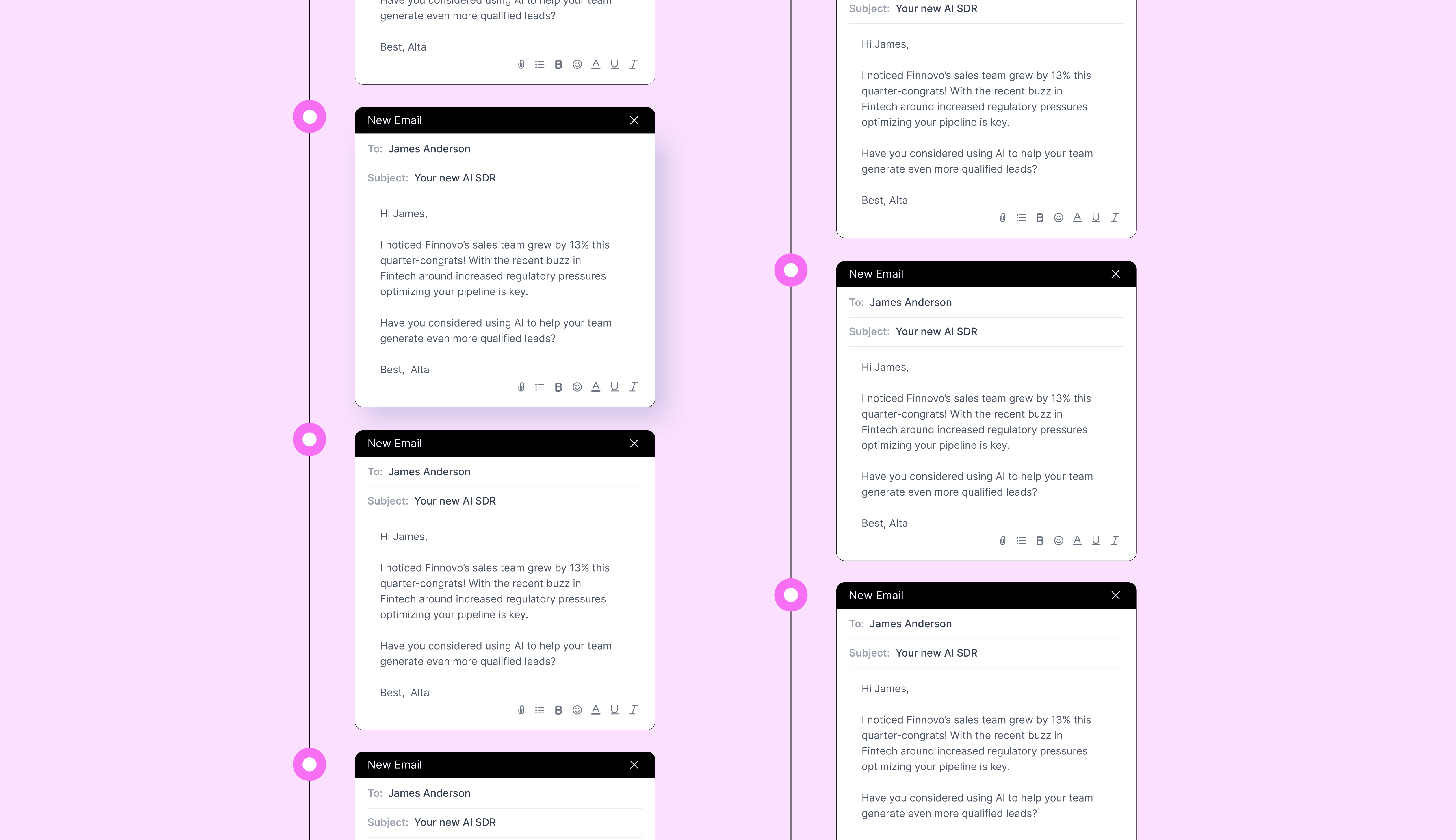
- Increased Qualified Leads: AI agents automate personalized outreach across multichannel campaigns. By analyzing intent signals and engaging prospects instantly, teams routinely see up to 3x more leads entering the pipeline.
- Actionable Insights and Higher Win Rates: Instead of relying on intuition, agents deliver real-time metrics and predictive analytics. This data-driven precision empowers sales leaders to optimize their strategies and close deals faster.
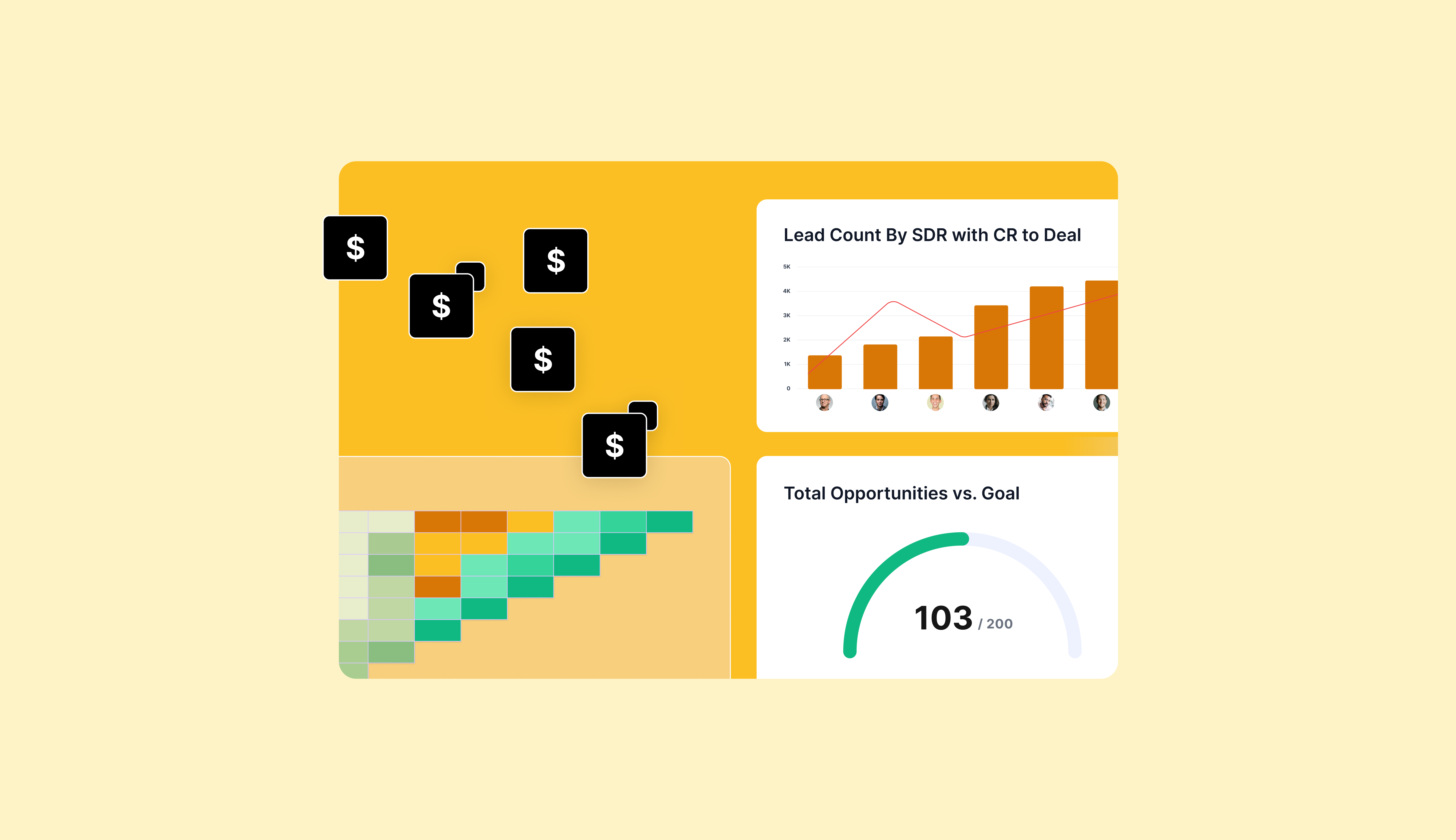
- Drastic Cost Reduction: Automating repetitive revenue operations—such as data entry, lead routing, and initial follow-ups—can result in an 80% cost reduction, maximizing the efficiency of your existing sales force.
- Seamless Scalability: AI agents scale growth effortlessly. Whether you are targeting 100 or 10,000 accounts, the quality and personalization of the outreach remain consistently high.
"By automating personalized outreach and delivering real-time insights, AI agents empower businesses to scale revenue with precision and efficiency, fundamentally changing the enterprise sales landscape."
How to Implement AI Technology in a Sales Strategy
To implement AI technology in a sales strategy successfully, organizations must define clear objectives, integrate tools seamlessly with existing systems, and prioritize data-driven precision. Follow these practical steps to adopt AI in sales operations effectively.
Step 1: Audit Your Current Tech Stack and Data
Begin by assessing your CRM and existing sales tools. AI agents rely heavily on accurate data. Ensure your databases are clean and organized so the AI can derive actionable insights without amplifying errors.
Step 2: Identify High-Impact Automation Opportunities
Map out your sales workflow to pinpoint bottlenecks. Look for repetitive tasks such as lead qualification, cold outreach, and CRM data entry. Assigning these tasks to AI agents frees your human representatives to focus on complex negotiations.
Step 3: Choose Tools with Seamless Integration
Select AI-driven sales platforms that seamlessly connect to your CRM and enterprise tools. Solutions like Alta are designed to deploy within your existing infrastructure, offering enterprise-grade security while bridging the gap between data collection and automated action.
Step 4: Train the AI on Your Brand Voice
Configure the AI agent with your company's messaging pillars and communication guidelines. The goal is to ensure all automated, hyper-personalized outreach sounds professional, confident, and perfectly aligned with your brand identity.
Step 5: Launch, Monitor, and Optimize
Deploy the AI agent on a pilot segment of your target audience. Use real-time insights provided by the platform to track open rates, reply rates, and conversion metrics. Iterate and optimize the workflows before scaling to your entire market.
5 Essentials for Implementing AI Agents in Sales
For quick guidance, ensure you have these five critical elements in place before launching AI agents across your revenue operations:
- Data Hygiene: Clean, centralized data ensures the AI agent has accurate context for data-driven precision.
- Enterprise-Grade Security: Verify that the AI platform complies with industry data protection standards to keep customer information safe.
- Seamless CRM Integration: The tool must read and write to your CRM autonomously to maintain a single source of truth.
- Clear Success Metrics: Define what success looks like—such as a specific increase in qualified leads or a targeted reduction in operational costs.
- Human-in-the-Loop Safeguards: Establish protocols where complex, high-value interactions are seamlessly handed off from the AI agent to a human sales closer.
Key Takeaways
- AI agents go beyond simple assistance by autonomously executing complex, multi-step revenue operations.
- Implementing AI-powered automation can yield significant outcomes, including 3x more leads and an 80% cost reduction.
- Successful deployment requires a platform that seamlessly connects to your CRM and existing tech stack.
- Data-driven precision and actionable insights allow organizations to scale growth without increasing headcount.
- Enterprise-grade security and clean data are foundational prerequisites for adopting AI technology in sales.
Frequently Asked Questions
The primary benefits of AI agents in sales include generating up to 3x more qualified leads, reducing operational costs by up to 80%, and providing actionable insights in real-time. They automate complex workflows and personalized outreach, enabling sales teams to scale revenue efficiently without increasing headcount.
To implement AI technology in a sales strategy, start by auditing your current CRM data for accuracy. Next, identify repetitive tasks for automation, select an AI platform that seamlessly connects to your CRM, configure it to your brand's voice, and deploy it initially on a small scale to monitor real-time metrics before expanding.
Traditional sales assistants generate text or answer queries based on manual human prompts. AI agents are autonomous; they can independently execute multi-step workflows, such as researching a prospect, sending personalized emails, and updating the CRM without requiring step-by-step human intervention.
Companies should prioritize establishing clean data pipelines and selecting tools with enterprise-grade security. Practical steps include defining clear KPIs, mapping out current sales bottlenecks, choosing AI software that offers seamless integration, and maintaining human oversight for high-value deal closures.
Professionals can learn about AI in sales through industry reports from firms like Gartner or Forrester, dedicated webinars from AI software providers, thought leadership blogs on platforms like Medium, and comprehensive guides offered by specialized revenue automation companies like Alta.