Ultimate Guide to Optimizing Sales with Alta in 2026
See how Alta optimizes sales in 2026: the Katie, Alex, and Luna agents, key features, implementation steps, and the results teams actually report.
AI in sales has moved past the experiment phase. The teams pulling ahead in 2026 aren't the ones with the most reps; they're the ones whose reps spend their time selling while AI agents handle everything else. Alta is built for exactly that division of labor.
This guide explains what Alta is, how its agents work, the features that matter most for sales automation and lead generation, and a practical path to implementing it in your own sales process.
What Is Alta and How Does It Work?
Alta is the AI GTM System of Actions: a single platform where AI agents act on buying signals, run outreach and qualification autonomously, and learn from every interaction. Instead of stitching together separate tools for data, sequencing, dialing, and reporting, Alta replaces the fragmented stack with agents that do the work end to end.
The system runs on signals. Alta pulls from 50+ data sources to build an intelligence layer across first, second, and third-party data, so its agents know when to act, why now, and what hook will land. Three agents put that intelligence to work:
Katie, the AI SDR. Katie runs outbound pipeline generation: identifying accounts showing intent, researching contacts, and executing personalized multichannel outreach. Across 2M+ prospects, this AI-personalized approach generated 3.5x more email replies than templated sends. More on Katie on the AI SDR page.
Alex, the AI inbound agent. Alex qualifies inbound leads the moment they arrive, reaching out to the right person on their preferred channel. The average B2B company takes 42 hours to respond to a lead; Alex responds in under 30 seconds. That speed matters because leads contacted within 5 minutes are 21x more likely to convert. Details on the AI inbound agent page.
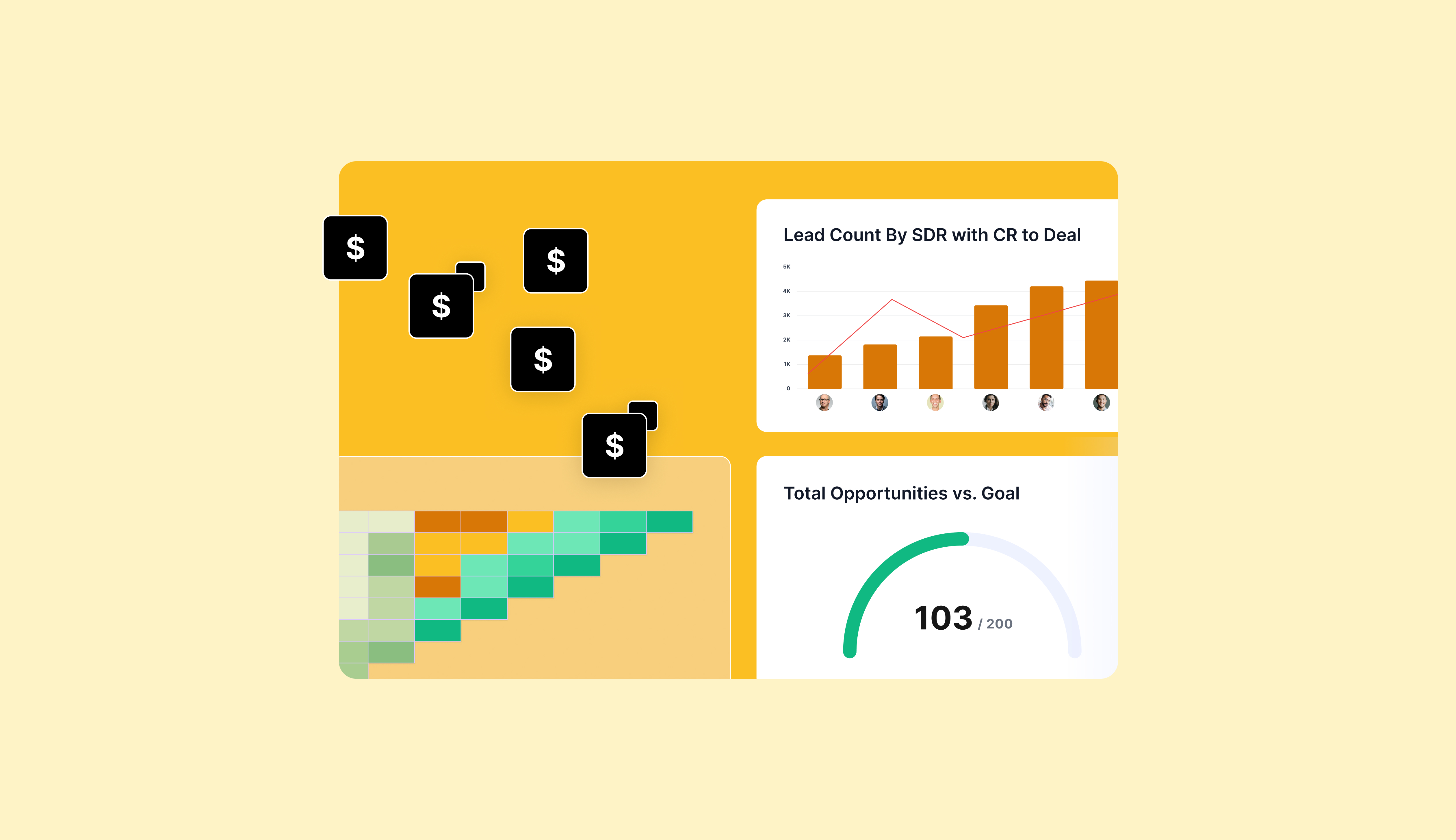
Luna, the growth intelligence agent. Luna handles the RevOps layer: analyzing pipeline, surfacing what's working, and turning revenue data into decisions your team can act on. See the AI orchestration page for how the agents work together.
Companies like monday.com, Mesh, and CloudKitchens run their GTM motion on Alta.
What Are the Key Features of Alta?
Alta's core capabilities are signal-based intelligence, autonomous multichannel outreach, and native workflow integration. Here's what each one does in practice.
Signal-based intelligence
Most sales automation fires on a schedule. Alta fires on signals: a funding round, a job change, website activity, technographic shifts, intent data. The agents read these signals across 50+ sources and decide which accounts to engage and what message fits the moment. Use case: a target account's new VP of Sales starts evaluating tooling, and Katie reaches out the same week with messaging built around that change, rather than a generic sequence three months later.
Multichannel outreach that personalizes itself
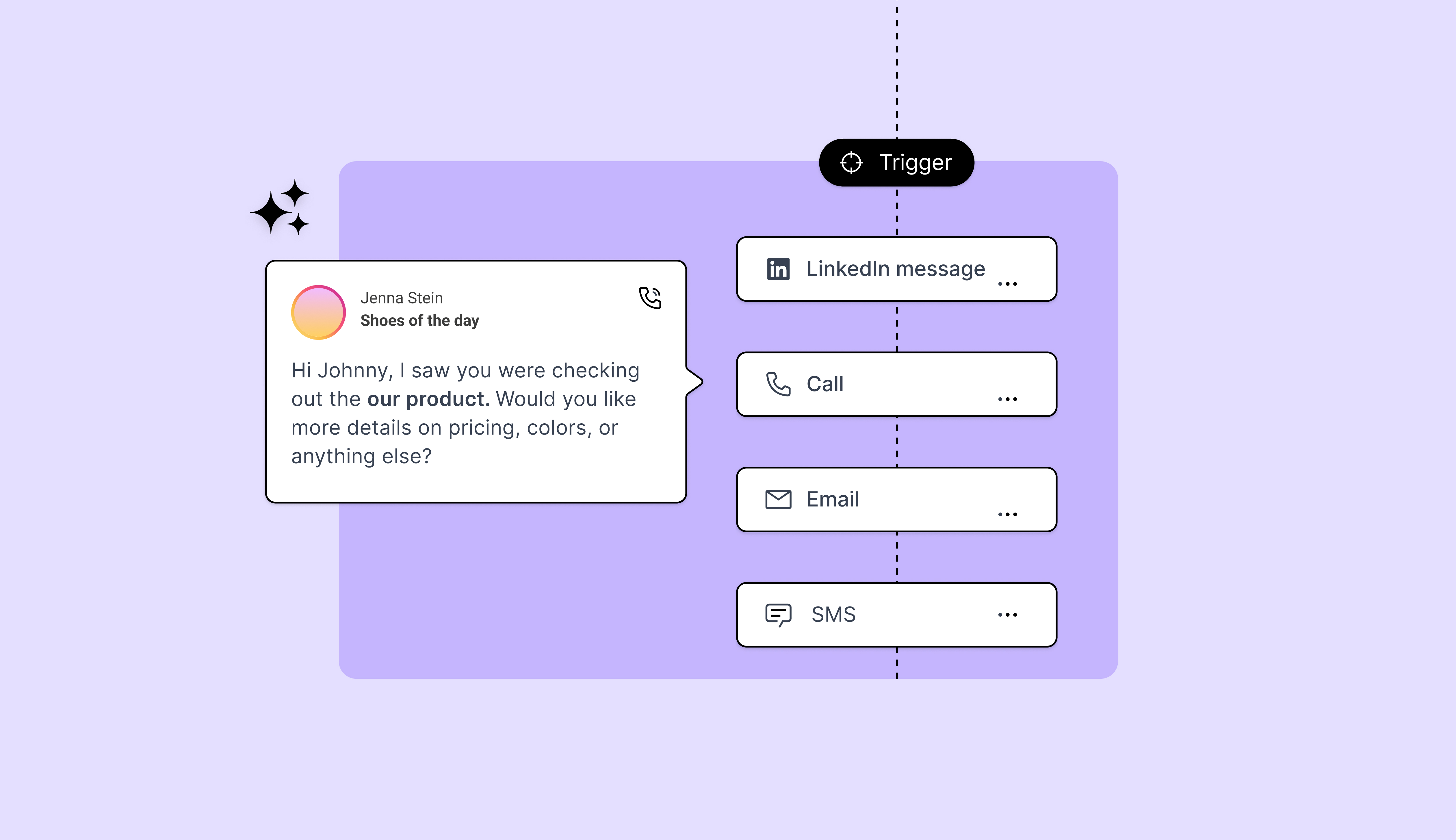
Katie and Alex work across email, phone, and LinkedIn, matching each prospect to the channel they actually respond on. Personalization is generated per prospect from real signal data, the kind of research that takes a rep 20 minutes per contact. At scale, that's where the numbers move: customers report 3x more qualified meetings and reps saving around 21 hours per week on manual prospecting work.
Workflow integration
Alta plugs into your existing CRM, calendar, and communication stack, so the agents work inside your current process instead of creating a parallel one. Activity syncs automatically, which also fixes the quieter problem of CRM hygiene. Check the integrations page for current coverage, and the trust page for security posture: Alta is SOC 2 and ISO 27001 compliant.
How Does Alta Solve Real Sales Challenges? Use Cases by Team Type
Features tell you what a platform does. Use cases tell you whether it solves your problem. Here’s how teams actually deploy Alta’s GTM automation, by the challenge they started with.
Use Case 1: Scaling Outbound Without Adding Headcount
The problem: A 10-person SaaS company needs to generate enterprise pipeline but can’t justify hiring three SDRs at $80K each. Outbound has stalled because the two existing AEs spend 60% of their time prospecting instead of closing.
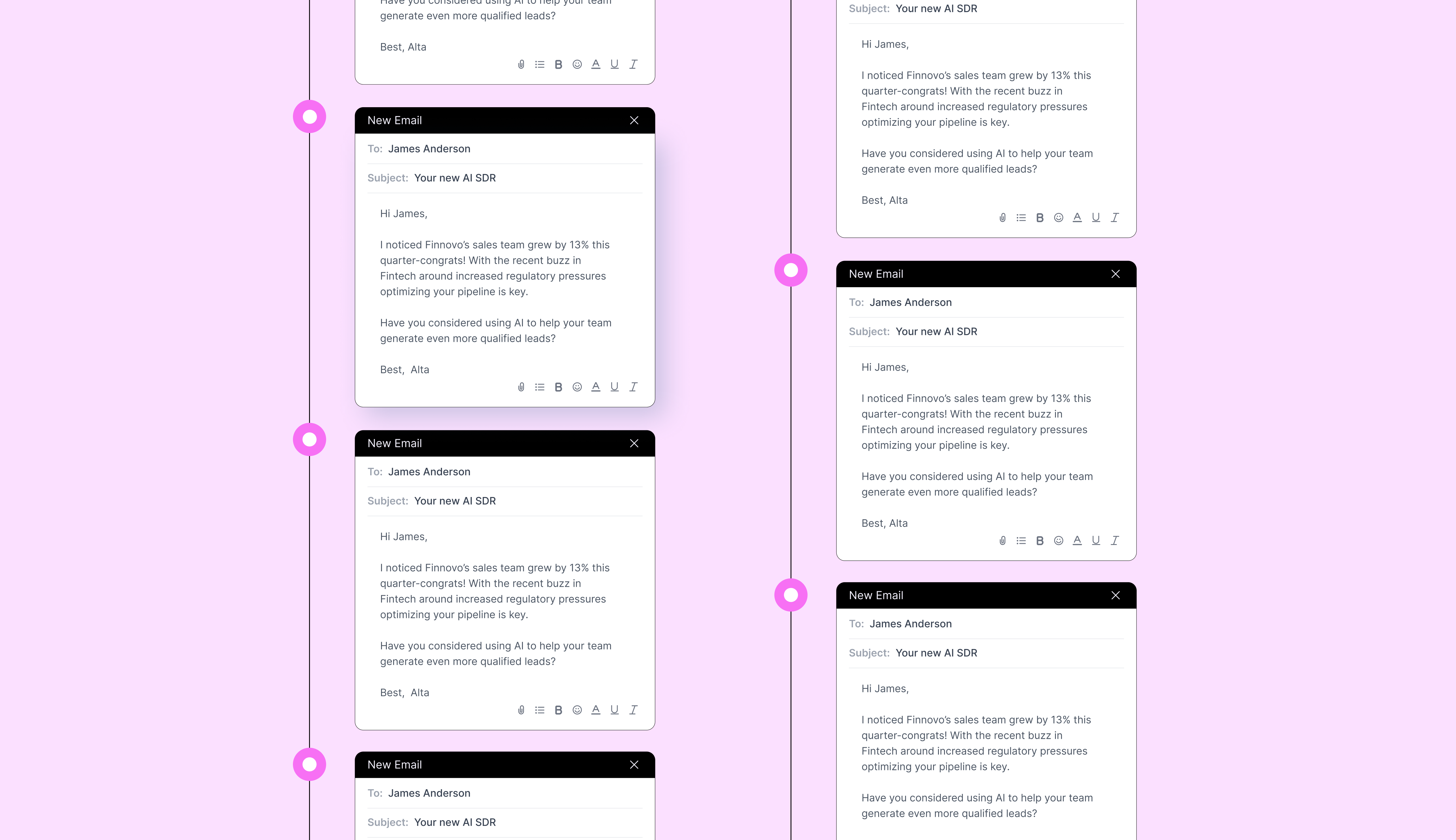
The solution: Katie is deployed as the AI SDR, pulling from 50+ signal sources to spot accounts showing intent — funding events, job changes, technology shifts. This signal-based outreach means Katie researches each contact, writes personalized messaging per prospect, and runs multichannel sequences across email and LinkedIn without rep involvement. Outbound sales automation, end to end.
The outcome: Each rep recovers 21 hours per week, AEs return to closing, and the company builds 7-figure pipeline within 6 months with zero SDR hires. Qualified meetings booked increase 3x. That’s what automated pipeline building looks like when it runs on signals instead of schedules.
Use Case 2: Eliminating Inbound Lead Response Lag
The problem: A B2B software company generates 400 inbound demo requests per month but takes an average of 42 hours to follow up. High-intent leads go cold before any rep makes contact.
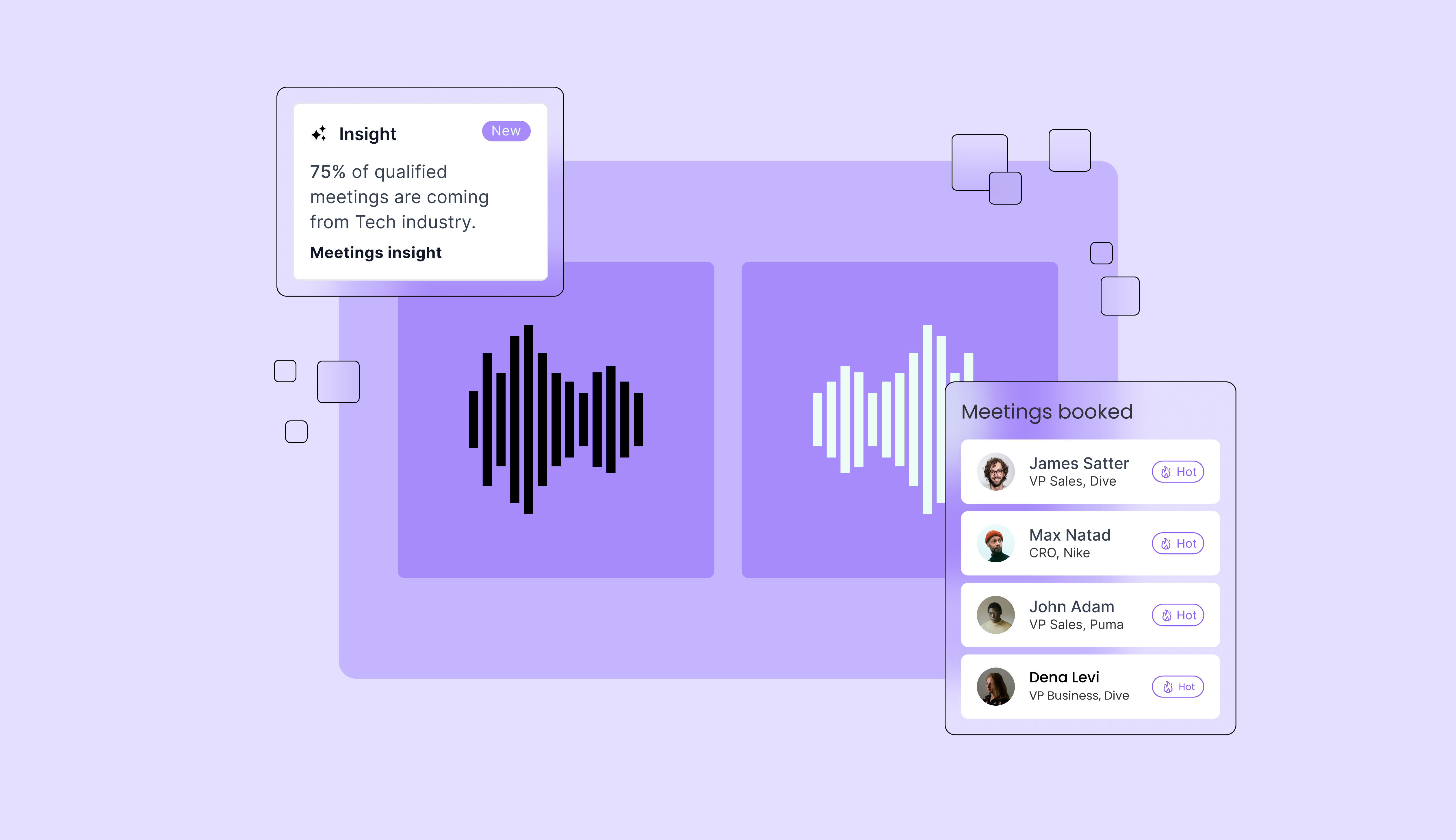
The solution: Alex, Alta’s inbound lead qualification AI, connects to the CRM and lead intake form. The moment a lead submits, Alex identifies the right contact, reaches out on their preferred channel within 30 seconds, and starts qualification — asking discovery questions and routing hot leads straight to calendar booking.
The outcome: Lead response time drops from 42 hours to under 30 seconds. Because leads contacted within 5 minutes are 21x more likely to convert, the company sees a measurable lift in demo-to-close rate without adding any inbound SDR capacity.
Use Case 3: Replacing a Fragmented Sales Stack
The problem: A revenue team is stitching together six separate tools — a data provider, a sequencing platform, a dialer, a LinkedIn automation tool, a CRM enrichment layer, and a reporting dashboard. The stack costs $4,000/month, data quality is inconsistent across tools, and CRM hygiene is a constant battle because activity doesn’t sync reliably.
The solution: Alta replaces the fragmented stack with a single AI SDR platform where Katie, Alex, and Luna operate from the same signal layer. All activity — outreach, qualification, call notes, reply data — syncs automatically to the CRM. Luna’s analytics surface pipeline health and conversion patterns from one unified data set.
The outcome: Sales stack consolidation collapses six tools into one. CRM data becomes reliable without manual cleanup. The team saves on tooling costs and finally gets a coherent view of what’s working across outbound, inbound, and pipeline management.
How Do You Implement Alta in Your Sales Strategy?
The fastest path is to start with one motion, prove it against your baseline, then expand. Most teams launch their first campaign within a week, but a deliberate rollout makes the results stick.
Begin by picking the bottleneck. If inbound leads sit for hours before anyone calls, deploy Alex first. If pipeline generation is the constraint, start with Katie. Record your baseline metrics before launch: response time, reply rates, meetings booked per rep.
Then bring your team in early. Reps should review agent-written outreach and qualification decisions in the first weeks; that feedback is how the system tunes to your ICP and voice. Position the agents as capacity, since the practical effect is each rep getting roughly 21 hours per week back for actual selling.
Finally, use Luna's analytics to run the optimization loop. Review which signals, messages, and channels are converting, kill what isn't working, and expand the agents' scope as quality proves out. One reference point for what the compounding looks like: a company built 7-figure pipeline in 6 months with a 1-person GTM team and zero SDRs.
7 Steps to Successfully Integrate Alta into Your Sales Process
- Identify your primary bottleneck: inbound response speed, outbound pipeline, or rep capacity.
- Record baseline metrics so you can measure lift honestly.
- Connect Alta to your CRM, calendar, and communication tools.
- Define your ICP, signals, and guardrails for what agents do autonomously.
- Launch one agent on one motion and have reps review its output weekly.
- Use Luna's reporting to compare results against your baseline after 30 days.
- Expand to additional agents and segments as trust and results build.
The Bottom Line: What Results Can You Expect from Alta?
Sales optimization in 2026 comes down to speed, capacity, and signal quality, and that's the work Alta takes over. The reported results across customers: 3x more qualified meetings, 72% faster lead response, 3.5x more email replies, and 21 hours per week back per rep.
The honest caveat: AI agents won't run your complex enterprise negotiations, and they're only as sharp as the ICP and feedback you give them. What they will do is make sure no lead waits 42 hours and no rep spends half their week on research.
See it against your own pipeline: book a demo. Most teams launch their first campaign within a week.
Frequently Asked Questions
Alta is an AI go-to-market platform built around autonomous agents: Katie for outbound sales, Alex for inbound qualification and calling, and Luna for revenue intelligence. The agents act on buying signals drawn from 50+ data sources, run personalized multichannel outreach, and learn from every interaction. Customers include monday.com, Mesh, and CloudKitchens.
Alta takes over the repetitive, high-volume work that consumes rep time: prospect research, first-touch outreach, inbound response, and qualification. Customers report 3x more qualified meetings, 72% faster lead response, and around 21 hours saved per rep per week. The practical effect is a team that spends its hours on conversations instead of admin.
The core features are signal-based intelligence across first, second, and third-party data, autonomous multichannel outreach via email, phone, and LinkedIn, AI-generated personalization per prospect, native CRM and workflow integration, and revenue analytics through Luna. Everything runs on one platform rather than a stack of point tools.
Reported customer results include 3x more qualified meetings, 3.5x more email replies from AI-personalized outreach measured across 2M+ prospects, 72% faster lead response, and sub-30-second inbound response times. One customer built 7-figure pipeline in 6 months with a 1-person GTM team and zero SDRs. Your results depend on your market, ICP definition, and how actively your team feeds the agents feedback.
No. Alta's agents replace tasks rather than people: the research, outreach volume, and qualification work that reps lose half their week to. Humans stay on discovery calls, negotiations, and complex deals. Teams typically use the reclaimed hours to increase selling time per rep rather than reduce headcount.
Most teams launch their first campaign within a week of connecting Alta to their CRM and communication tools. A full rollout with team onboarding, feedback loops, and expansion across agents typically takes 30 to 90 days. Pricing options are on the plans page.