Contact-Level vs. Account-Level Intent Data Explained
Compare contact-level and account-level intent data to understand buying signals, prioritize B2B prospects, and improve sales outreach.
B2B sales teams have access to more buying signals than ever, from website visits and content downloads to hiring activity and technology adoption. The challenge is determining whether those signals indicate genuine purchasing interest and identifying the people most likely to influence a decision.
Two approaches help sales teams interpret this activity: account-level intent data and contact-level intent data. Both can inform prospecting, but they answer different questions. Understanding the difference helps businesses prioritize accounts, personalize outreach, and avoid treating early research as a confirmed buying decision.
What account-level intent data tells you
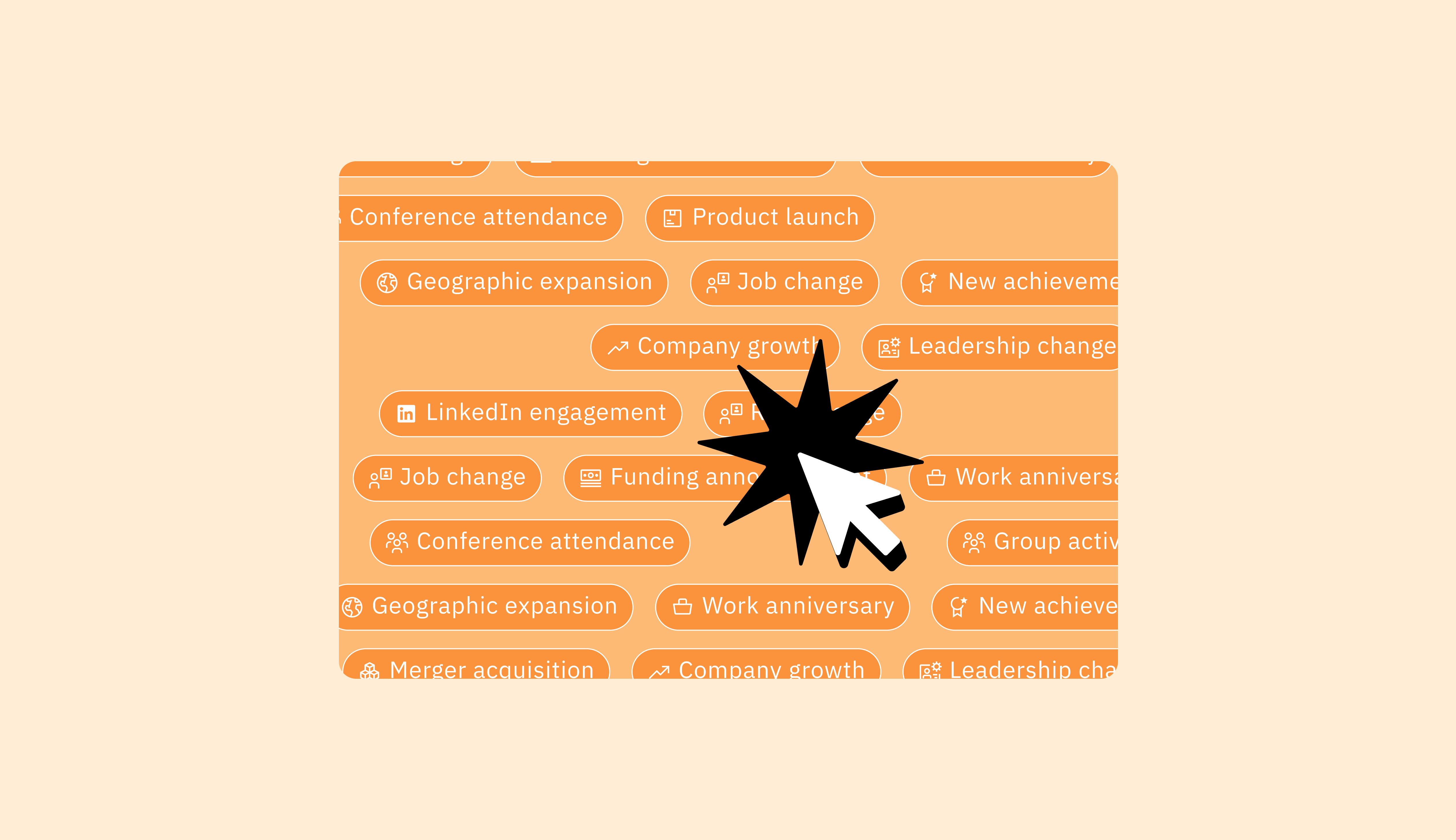
Account-level intent data identifies organizations researching a topic, product category, or business problem. Signals can include increased consumption of relevant content, visits to vendor websites, technology changes, and patterns in third-party research activity.
For example, a software company might discover that a target manufacturer has increased its research into cloud infrastructure tools. That activity suggests a potential opportunity, particularly if the manufacturer fits the vendor's ideal customer profile.
However, account-level data does not necessarily reveal which employee conducted the research, whether that person influences purchasing, or whether the company has allocated a budget.
Account-level intent is particularly useful for account-based marketing (ABM), where sales and marketing teams concentrate resources on a defined list of organizations. It helps answer a central question: which companies deserve attention now?
What contact-level intent data adds
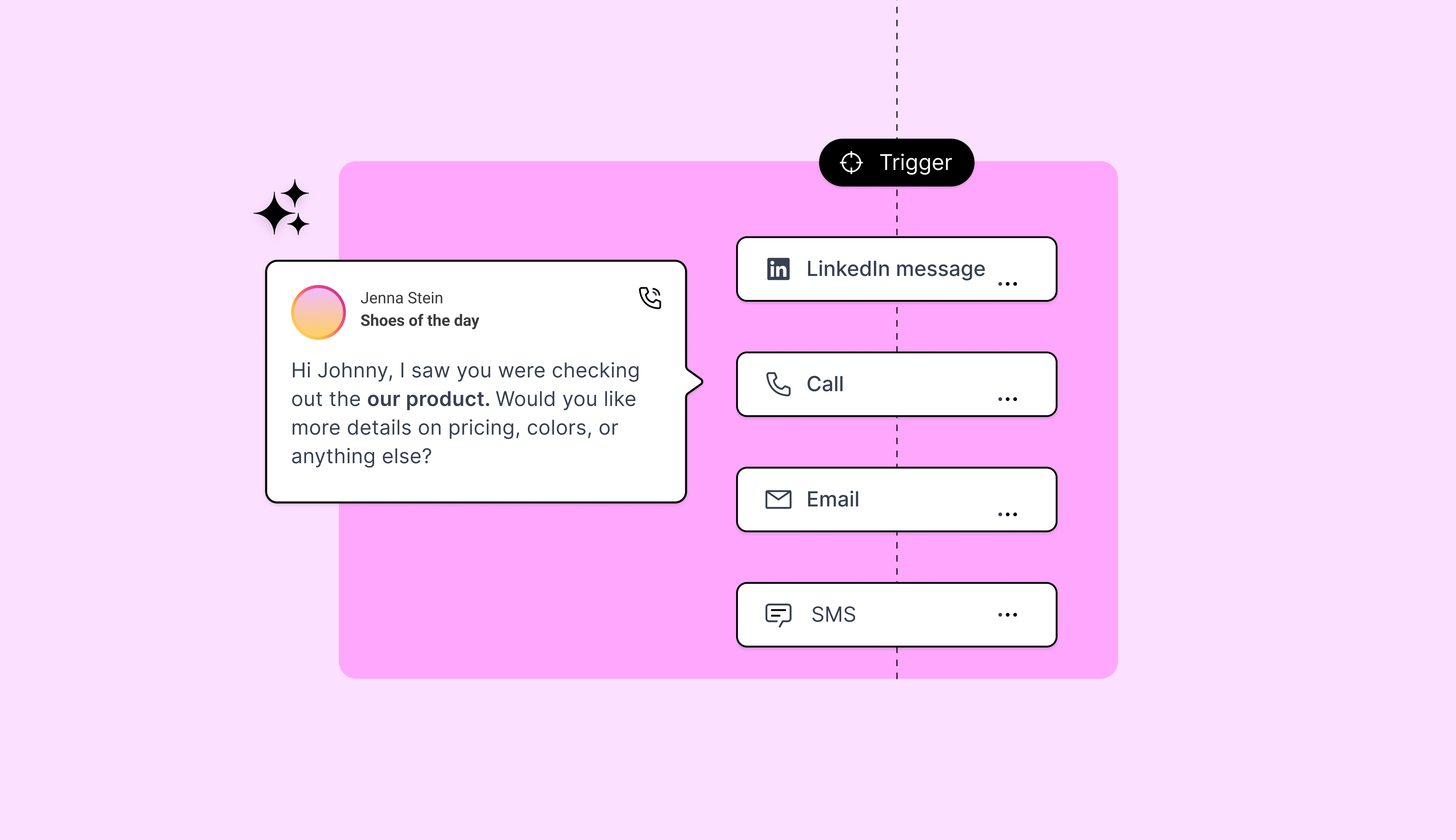
Contact-level intent connects buying signals to an identifiable individual. Depending on the data source and its permissions, these signals might include a person's engagement with marketing emails, webinar attendance, content downloads, demo requests, or interactions with sales materials.
The distinction becomes important when several people at one company are involved in a purchase. A technology director may research technical compatibility, while a finance leader evaluates costs and an executive sponsor assesses strategic value.
Knowing which individuals are engaging can help sales representatives tailor their conversations to each person's responsibilities. It can also reveal gaps in stakeholder coverage before a deal reaches procurement.
Alta's article on AI-driven sales outreach explores how account research and person-specific context can inform more relevant communication. The practical principle is to use available evidence to understand the person, not simply insert a name into a generic message.
Why the gap matters for outreach
Account-level intent and contact-level intent support different decisions. Account-level signals help determine where a sales team should focus; contact-level signals help establish whom to approach and what might be relevant to them.
Imagine a target company researching customer data platforms. Its account-level activity could justify placing it on a priority list. If a marketing operations director from that company subsequently attends a webinar about data integration, the combination gives the sales team a more specific reason to initiate a conversation.
Neither signal guarantees that the company intends to buy. The director might be conducting general research, evaluating a competitor, or gathering information for a future project. Sales representatives still need to validate the opportunity.
A Forbes analysis of AI-driven go-to-market discusses the challenge of interpreting digital intent signals and connecting them to timely, relevant engagement.
Where each type of intent data comes from
Both types can draw on first-party, second-party, and third-party information, but the level of identification varies.
First-party signals come from a company's own channels, such as website activity, email engagement, event registrations, and product interactions. When a visitor identifies themselves through a form or logged-in session, some activity may be connected to a known contact.
Second-party signals come from relevant partner or platform interactions, such as activity on industry research or review platforms. Third-party intent data aggregates research behavior from external sources and may identify an organization without revealing the individual researcher.
Sales teams should evaluate data sources based on accuracy, recency, coverage, and permitted use. Anonymous research should not be presented as verified activity by a named person, and contact matching can be imperfect.
Alta's article on intent-based sales efficiency discusses how buying signals can inform targeting, prioritization, and outreach timing. Its broader AI revenue intelligence platform connects sales and marketing information to help teams interpret signals across their go-to-market activities.
Choosing the right mix for your sales motion
The right balance depends on the sales cycle, target market, and data available. Enterprise sales teams often benefit from starting at the account level because several stakeholders may participate in a lengthy evaluation. Smaller transactions may rely more on identifiable contact engagement, especially when someone requests a demo or pricing information.
A practical strategy should:
- Prioritize accounts: Use account-level signals alongside company size, industry, fit, and existing relationships.
- Identify stakeholders: Connect verified contact activity to relevant roles in the buying process.
- Combine evidence: Look for several consistent signals instead of relying on one page visit or content download.
- Personalize responsibly: Use verified context to make outreach relevant without implying knowledge of private or unidentified activity.
- Measure outcomes: Compare qualified meetings, opportunity creation, and conversion rates across different signal types.
The aim is not to collect as much intent data as possible. It is to identify reliable signals that help sales teams make better decisions.
Frequently Asked Questions
Pricing varies by provider, data coverage, identification capabilities, and subscription model. Contact-level data may cost more due to verified identities or enrichment, but it isn't universally more expensive. Compare total cost with data quality and practical usefulness.
Yes. Combining account-level research patterns with verified contact engagement can improve prioritization and outreach context. Teams should reconcile conflicting signals, account for data freshness, and distinguish observed behavior from inferred intent.
Account-level intent is useful for identifying organizations that may be in market, while contact-level intent helps sales teams engage relevant stakeholders. Enterprise ABM generally benefits from both because buying decisions often involve several people with different responsibilities and priorities.