AI Sales Automation Tools for 2026: Transforming Efficiency

Learn how AI sales automation tools help teams automate outreach, reduce costs, improve lead conversion, integrate with CRMs, and scale revenue in 2026.
In This Article
- Understanding AI Sales Automation
- Benefits of AI-Driven Sales Automation
- Implementing AI Solutions in Sales
- Key Questions to Ask Before Implementing AI in Sales
- Common Use Cases
- Key Takeaways
- Frequently Asked Questions
AI sales automation tools leverage data-driven precision to manage repetitive tasks, execute highly personalized outreach, and provide actionable, real-time insights for modern revenue teams looking to maximize their competitive advantage. By adopting Alta, organizations can seamlessly integrate intelligent automation into their existing CRM and technology stacks, empowering them to transform revenue and scale growth rapidly without expanding administrative headcount. As businesses look toward 2026, implementing AI-powered automation definitively shifts the daily focus of sales professionals away from manual data entry toward strategic relationship-building, directly enhancing overall sales efficiency and driving a highly measurable return on investment (ROI) across the enterprise.
Understanding AI Sales Automation
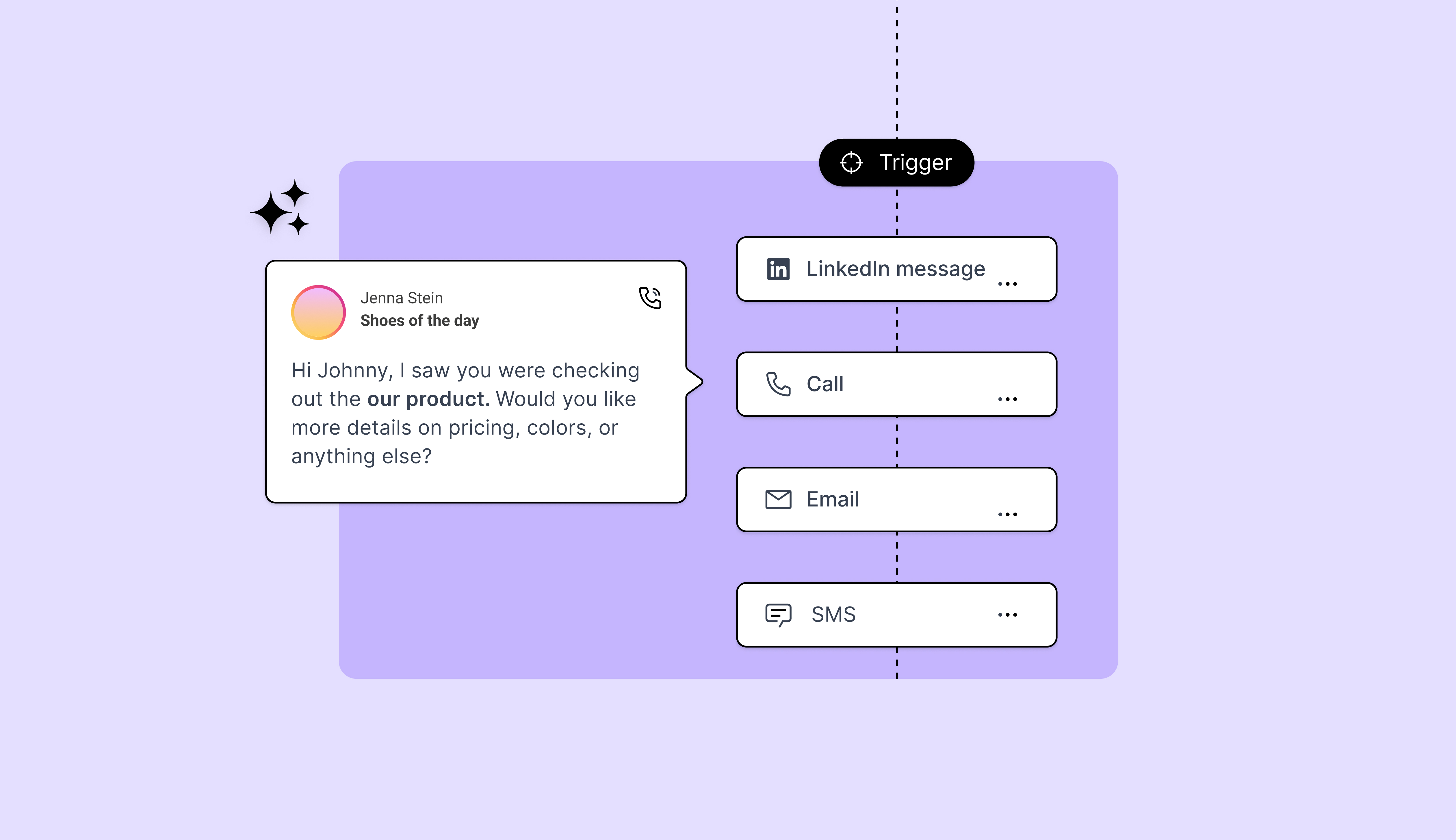
AI sales automation involves deploying intelligent software systems to execute routine sales operations, analyze vast amounts of customer data, and deliver hyper-personalized, multichannel outreach. Rather than relying on static workflows or manual data entry, modern revenue teams utilize these systems to automate to accelerate their pipelines. The technology functions by continuously processing prospect interactions, identifying patterns, and triggering the appropriate next steps in the sales cycle without requiring constant human intervention.
For business leaders and enterprise organizations, the relevance of this technology lies in its ability to optimize resource allocation. Sales professionals historically spend a significant portion of their daily schedules on administrative tasks, pipeline updates, and drafting initial outreach messages. AI-powered automation reallocates this time toward high-value activities such as negotiating contracts, building deeper client relationships, and closing deals. This shift ensures that highly skilled personnel are utilized for strategy and persuasion rather than data management.
A foundational element of understanding these tools is recognizing the importance of technical compatibility. This integration ensures that data flows securely and accurately across all departments, creating a single, reliable source of truth. By unifying data sets, organizations establish the necessary groundwork for accurate revenue forecasting, improved lead management, and sustained enterprise-grade security.
Benefits of AI-Driven Sales Automation
Implementing AI-driven solutions provides organizations with highly measurable advantages that directly impact the bottom line. By transitioning from manual processes to intelligent automation, businesses can achieve higher outputs and more accurate forecasting.
Accelerated Lead Generation and Conversion
Through hyper-personalized, data-backed strategies, AI sales tools identify and engage high-value prospects at scale. The technology continuously optimizes messaging based on recipient behavior, engagement metrics, and historical success rates. By ensuring that outreach is highly relevant to the specific pain points of each prospect, these systems improve initial engagement rates and ultimately increase overall win rates.
Significant Cost Reduction and ROI
AI-powered automation empowers organizations to scale revenue operations effectively without simultaneously increasing headcount. By automating repetitive tasks, utilizing data-driven precision, and executing hyper-personalized multichannel outreach, companies can realize up to an 80% cost reduction in operational overhead. This efficiency directly contributes to a stronger, more predictable ROI. Capital that would otherwise be spent on administrative support or expanding lower-tier sales roles can instead be reallocated toward strategic growth initiatives and product development.
Empowered Decision-Making with Real-Time Insights
Modern sales teams require actionable data to stay competitive and agile in rapidly changing markets. Intelligent systems deliver real-time metrics and predictive analytics that empower revenue leaders to make proactive, data-driven decisions. Instead of waiting for end-of-quarter or end-of-month historical reports, managers can view pipeline health instantly. This immediate visibility allows teams to adjust strategies on the fly, allocate resources to the most promising opportunities, and optimize overall business outcomes through continuous, accurate performance monitoring.
Implementing AI Solutions in Sales
Successfully adopting AI tools requires a structured approach that prioritizes alignment with business objectives and seamless operational integration. Proper implementation ensures that the technology enhances current capabilities rather than creating operational friction.
Strategic Planning and Assessment
Effective adoption begins with a comprehensive audit of existing sales processes. Organizations must identify the specific, repetitive tasks that consume valuable time—such as manual lead qualification, basic data entry, or generic initial outreach. Once these bottlenecks are identified, leadership must outline clear objectives for the implementation. Establishing specific key performance indicators (KPIs), such as shortened sales cycles or increased daily contact volume, provides a baseline for measuring the success of the AI-powered automation.
Integration and Execution
Selecting a platform that seamlessly connects to your CRM and existing technology stack is paramount. Seamless integration prevents the creation of data silos and ensures that intelligent tools enhance daily operations immediately. During the rollout phase, organizations must prioritize comprehensive training for the entire sales team. Representatives need to understand how to interpret real-time insights and leverage automated workflows to their advantage. Furthermore, IT and revenue operations must collaborate to ensure enterprise-grade security protocols are strictly maintained to protect sensitive customer data throughout the transition.
Avoiding Common Pitfalls
A frequent misstep in AI adoption is deploying the technology as an independent solution rather than aligning it with overarching business goals. Organizations must avoid treating automation as a total replacement for human connection; its primary purpose is to augment the capabilities of human sales representatives. Additionally, proactive data hygiene is critical. AI systems rely entirely on the accuracy of the information they process to deliver actionable insights. Cleaning up existing CRM records, removing duplicates, and standardizing data entry formats prior to implementation are critical steps for long-term success and accurate predictive analytics.
Key Questions to Ask Before Implementing AI in Sales
- Does the solution seamlessly integrate with our current tech stack? Ensure the intelligent tool connects directly to your existing CRM and communication platforms to prevent operational friction and data silos.
- What specific KPIs will this automation improve? Define clearly whether the primary goal is to increase qualified leads, reduce operational costs, or accelerate the overall sales cycle.
- Does the platform provide actionable, real-time insights? The system must offer immediate visibility into performance metrics and pipeline health to empower agile, data-driven decisions.
- How does the tool ensure enterprise-grade security? Verify that all customer data and proprietary business information will be protected according to rigorous industry compliance standards.
- Can this technology scale with our revenue growth? Confirm that the platform is capable of managing increased data volume and outreach without requiring proportional increases in administrative headcount.
Common Use Cases
- Problem: Sales representatives spend excessive hours manually researching prospects and drafting initial outreach emails, leading to a low daily contact volume. Outcome: AI-powered automation executes hyper-personalized, multichannel outreach at scale, significantly increasing daily contact volume and generating a higher volume of qualified leads without requiring additional effort from the representative.
- Problem: Revenue leaders lack immediate visibility into pipeline health and rely heavily on outdated, manually compiled historical reports. Outcome: The implementation of intelligent dashboards provides real-time insights and predictive analytics, enabling sales directors to optimize strategies instantly, reallocate resources, and improve overall win rates.
- Problem: Expanding global sales operations typically requires hiring more administrative and data-entry support staff, severely inflating operational overhead costs. Outcome: Automated workflows take over routine data entry and initial lead routing, allowing the business to scale revenue operations and achieve substantial cost reductions while maintaining a lean workforce.
- Problem: Customer data is fragmented across marketing platforms, email clients, and the CRM, causing missed follow-up opportunities and inconsistent messaging. Outcome: A centralized AI system seamlessly connects to your CRM, uniting scattered data into a single source of truth that drives data-driven precision and relevance in every subsequent customer interaction.
Key Takeaways
- AI sales automation transforms revenue operations by replacing manual, time-consuming administrative tasks with intelligent, data-driven precision.
- Utilizing AI-powered automation platforms can dramatically increase qualified lead generation while simultaneously driving significant operational cost reductions.
- Successful technological implementation requires selecting tools that seamlessly connect to your CRM and complement your existing technology stack.
- Access to real-time insights and predictive analytics empowers sales leaders to make informed, agile decisions that consistently optimize business outcomes.
- Aligning AI integration with specific business KPIs ensures a more rapid, measurable, and scalable return on investment.
- Prioritizing enterprise-grade security and strict data hygiene is essential when introducing intelligent automation into corporate data environments.
Frequently Asked Questions
AI in sales automation delivers increased operational efficiency by managing routine administrative tasks, allowing sales representatives to focus on building strategic relationships. It drives significant revenue growth through hyper-personalized outreach and provides actionable, real-time insights that empower organizations to optimize their sales processes and achieve substantial cost reductions.
Modern AI tools are specifically engineered for seamless integration, utilizing secure APIs to connect directly with your existing CRM infrastructure. This technical alignment ensures that contact records, communication history, and performance metrics synchronize automatically in real time, maintaining high data integrity without requiring redundant manual data entry.
Yes, intelligent automation systems manage high-volume, repetitive tasks such as initial lead qualification, intelligent data routing, and early-stage prospect engagement. By automating these essential processes, existing sales teams operate with much greater efficiency, enabling the organization to scale growth and handle larger pipelines without proportionately increasing administrative headcount.
Reputable AI sales automation platforms prioritize enterprise-grade security at every level of their architecture. They employ strict data encryption standards, rigorous compliance protocols, and highly secure integration methods to ensure that all sensitive business intelligence and customer information remains completely protected throughout the automated workflows.
Return on investment (ROI) is primarily driven by a dual impact: an increase in top-line revenue combined with a sharp decrease in operational costs. Organizations consistently experience an acceleration in qualified lead generation and improved win rates, alongside significant reductions in the financial resources previously dedicated to manual, repetitive administrative tasks.